What are you looking for?
Choosing the wrong special steel profile leads to costly machining, excess weight, or premature failure. Understanding the differences between standard, special-shaped, customized, and machined steel is the first step to a reliable, cost‑effective design.
Select the right special steel by matching the cross‑section (standard or special‑shaped), required mechanical properties, dimensional precision, and final machining state to the functional demands of the assembly—balancing performance, lead time, and total cost.
The decision goes far beyond a simple material call‑out. It affects blank utilisation, secondary processing time, and the structural integrity of the finished component. A closer look at each category reveals how to align geometry, metallurgy, and processing for an optimised supply chain and consistent in‑service performance.
Off‑the‑shelf rounds and hexagons are convenient, but every additional machining step eats into profit. A mismatch between cross‑section and final shape hides unnecessary processing cost and material waste.
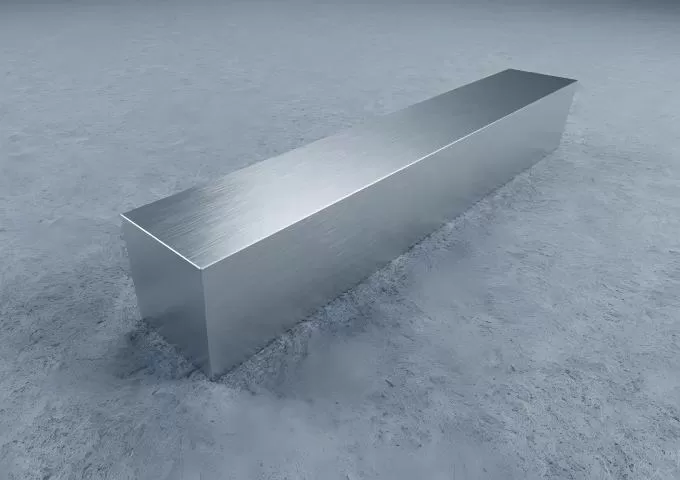
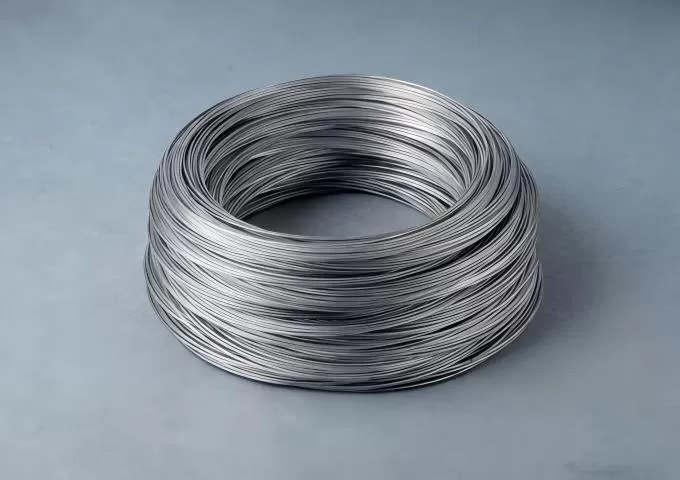
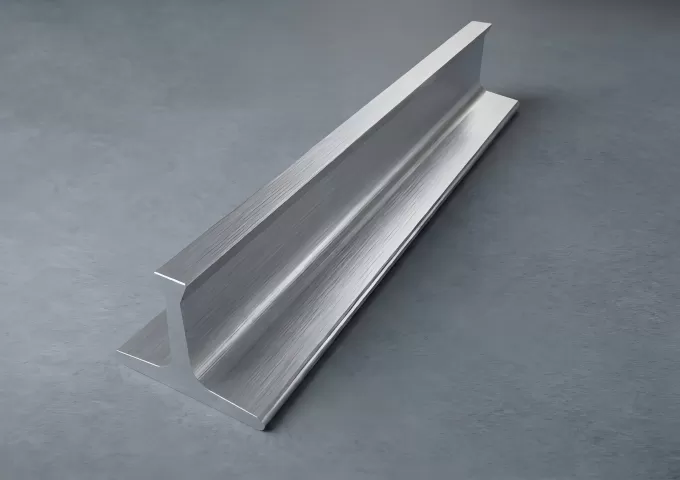
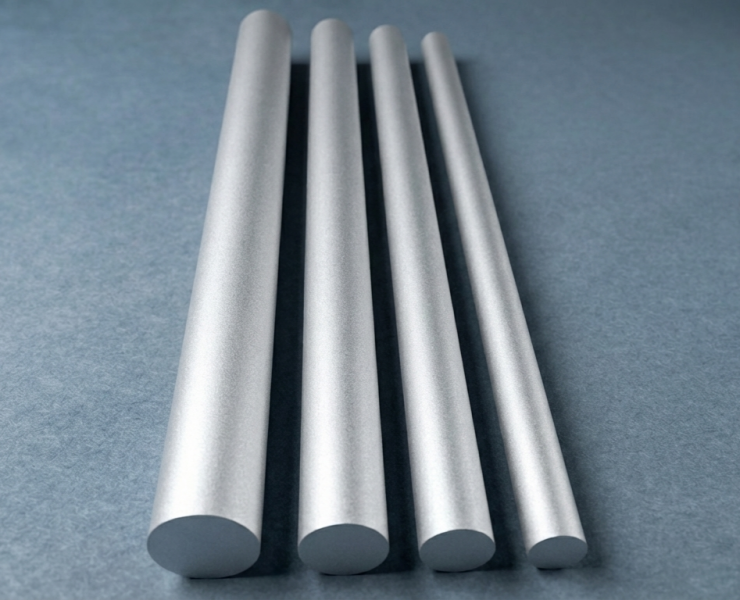
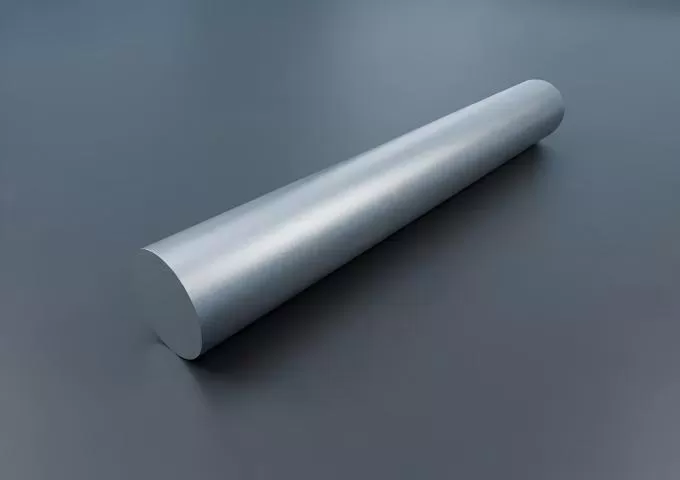
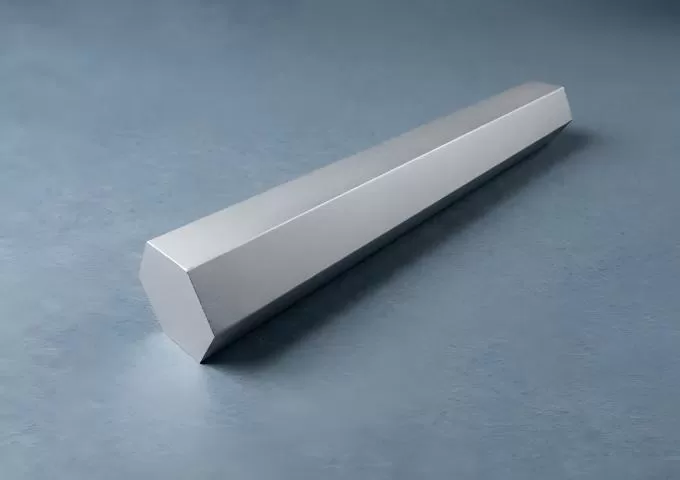
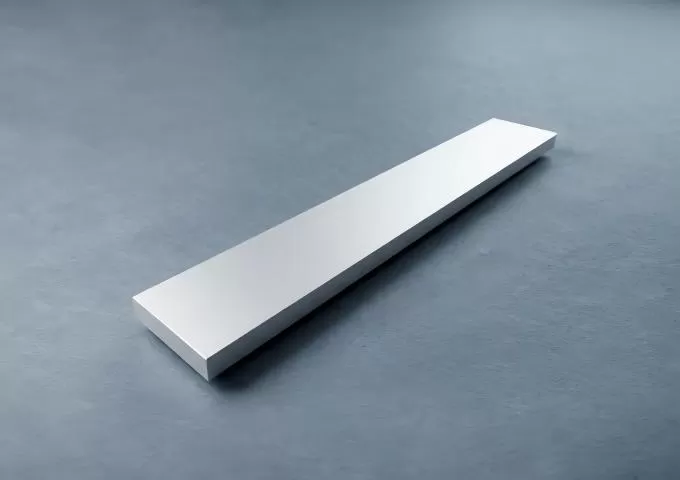
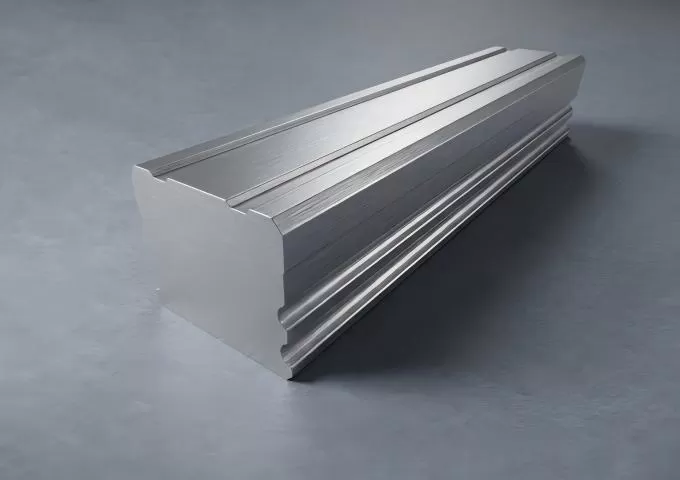
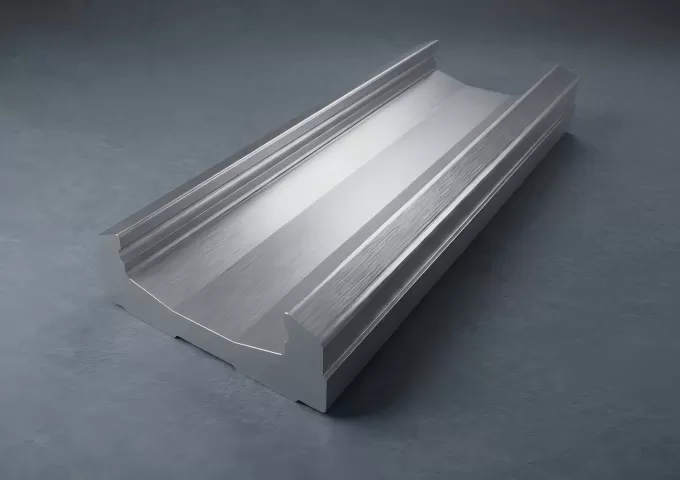
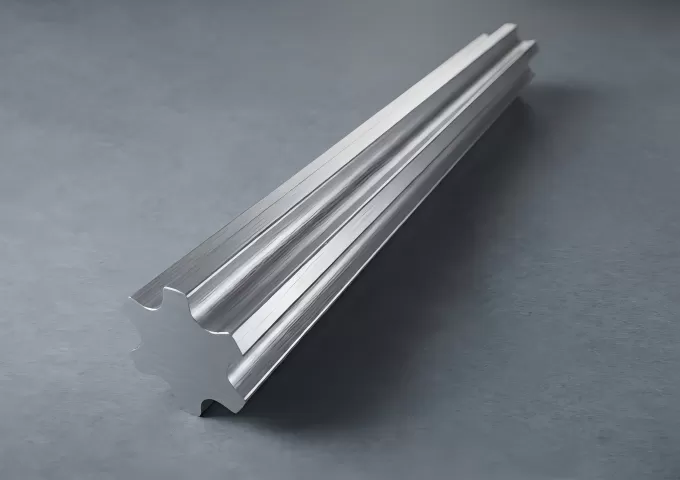
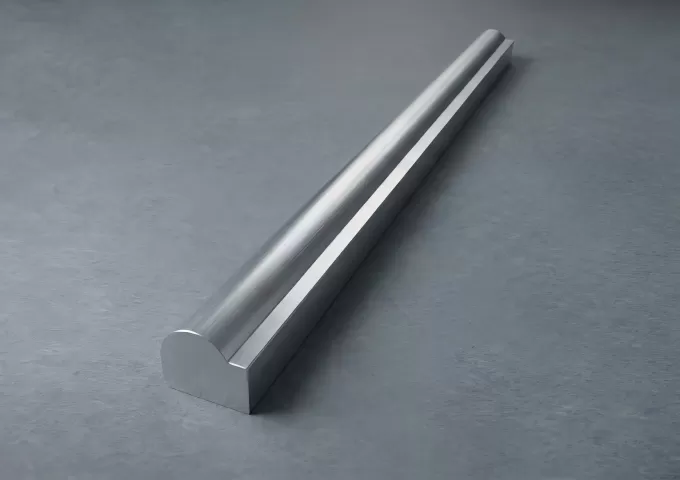
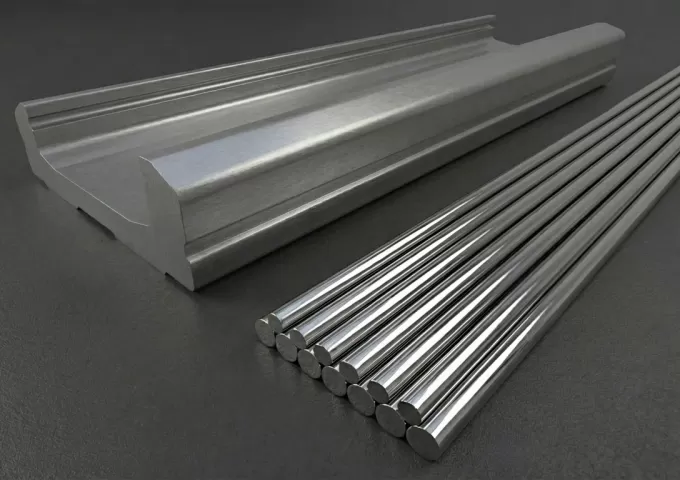
Standard‑shaped steel (round bar, hexagonal bar, square bar, flat bar, wire rod) serves general‑purpose needs with wide availability. Special‑shaped steel (machine tool guideway sections, slider module profiles, gear shaft profiles) is cold‑drawn to a near‑net shape that integrates functional geometry directly, slashing machining hours.
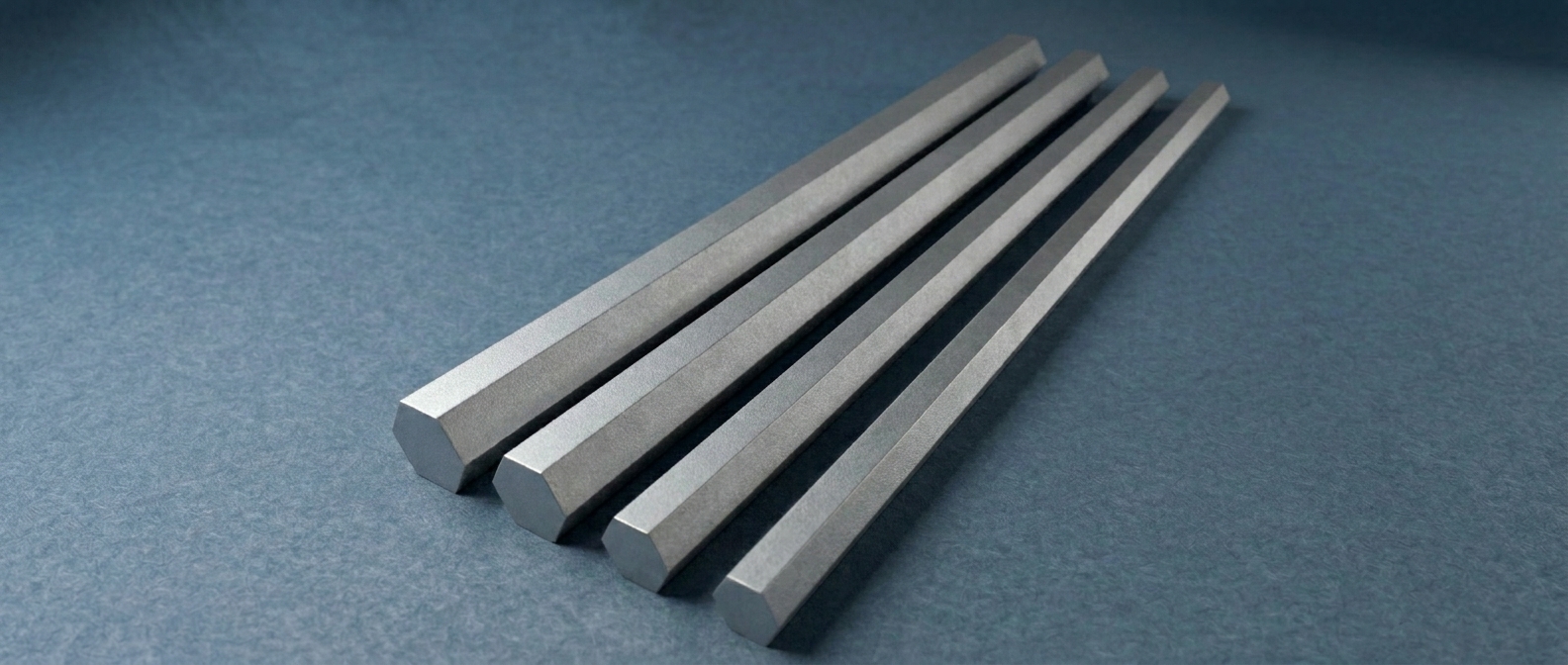
Standard shapes are defined by simple, symmetrical sections that fit into common clamping and tooling setups. They work well when the final component can be turned, milled, or formed from a regular blank with minimal waste. Special‑shaped steel, by contrast, is designed around a specific mechanical interface. Its cross‑section may already include a guide rail profile, a mounting groove, or a tooth contour, which eliminates entire shaping operations. Cold‑drawing delivers these complex sections with tight dimensional control and a work‑hardened surface layer, often removing the need for rough machining.
| Aspect | Standard‑Shaped Steel | Special‑Shaped Steel |
|---|---|---|
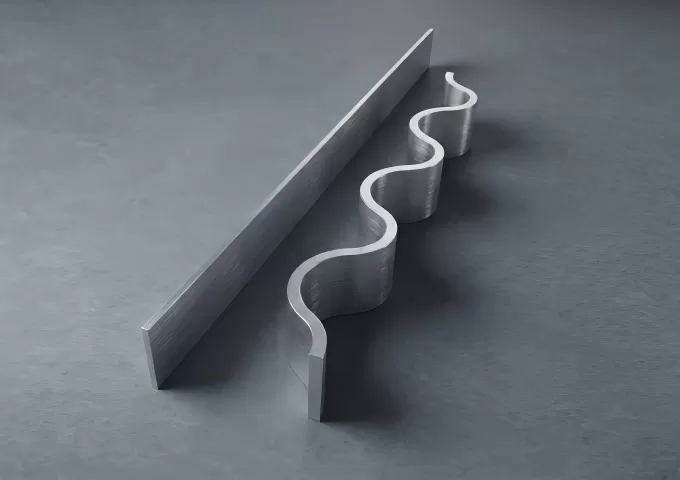
| Typical profiles | Round, hexagon, square, flat, wire rod | Guideway section, slider module, gear shaft, armour joint flat bar |
| Dimensional precision | Commercial tolerance, may need turning or grinding | Cold‑drawn near‑net shape, often h9/h10 or better |
| Material utilisation | Lower; significant stock removal required | High; close to finished form |
| Initial tooling cost | Very low | Moderate die investment, amortised over volume |
| Secondary processing | Turning, milling, shaping frequently needed | Minimal; often only hard finishing or cut‑to‑length |
| Best for | General‑purpose components, low‑volume prototypes | Linear guides, seat system rails, automotive adjustment mechanisms |
Standard chemistries and routine heat treatment often cannot guarantee the fatigue life or microstructure uniformity that safety‑critical applications demand. Customized steel closes the gap between catalogue availability and actual service conditions.
Customized special steel adjusts tensile strength, grain structure, surface finish, or pre‑treatment so the material arrives ready for production, suppressing downstream processing steps while ensuring repeatable mechanical behaviour.
Customized steel is not a single product but a suite of targeted adjustments. Suppliers work from a defined performance envelope rather than a stock list. Four common customization routes address distinct engineering challenges.
Mechanical‑property customization targets exceptional tensile, yield, and fatigue life through controlled alloying and drawing practices, suiting high‑cycle dynamic loads.
Microstructure‑based customization achieves fine, uniform grain size for consistent behaviour in extreme temperature or corrosive environments.
Precision bright surface series supplies bars with high dimensional accuracy and a smooth finish that allows direct loading into CNC machines, bypassing grinding or skimming.
Pre‑processed heat‑treatment series delivers steel already quenched and tempered to a specified hardness range, so the blank offers the optimum balance of machinability and final strength without in‑house thermal processing.
| Customisation path | Core value | Typical outcome |
|---|---|---|
| Excellent mechanical properties | Tailored tensile/yield & fatigue strength | Lighter sections, longer service intervals |
| Microstructure control | Grain refinement, structural homogeneity | Reliable performance under thermal cycling or impact |
| Precision bright finish | Tight size tolerance, smooth surface | Direct machine‑loading, reduced lead time |
| Pre‑treated condition | Pre‑quenched & tempered, stress‑relieved | Eliminates post‑machining heat treatment, shorter throughput |
Even highly profiled blanks rarely meet final assembly requirements without some finishing. Precision machined steel components—turned, milled, or threaded—deliver the exact fit, surface texture, and mechanical interface needed at the point of use.
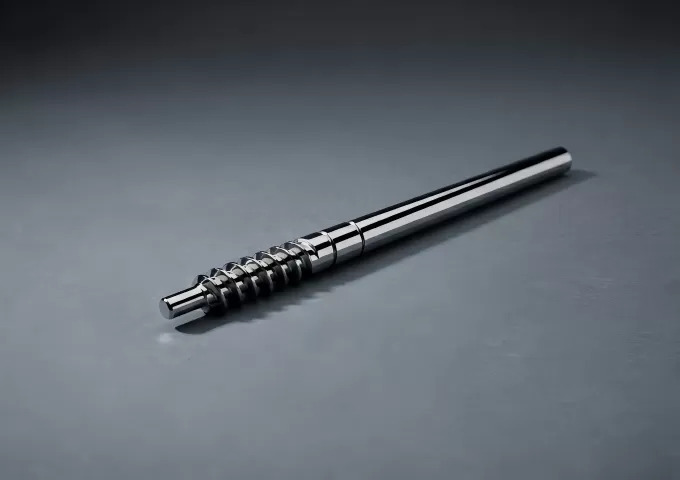
Precision machined steel, such as custom‑ground shafts and high‑strength lead screws, converts hot‑ or cold‑drawn stock into installation‑ready parts with controlled runout, surface roughness, and thread class.
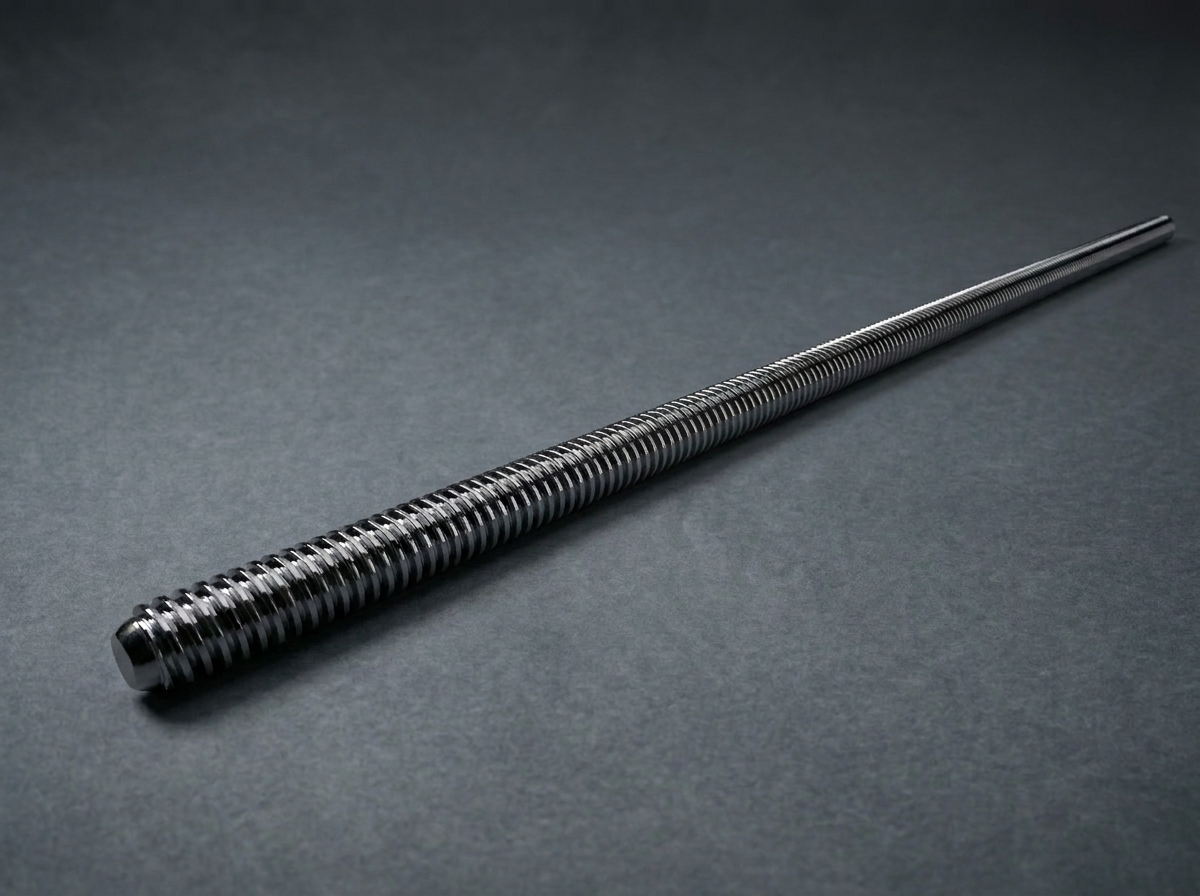
Machining is not a sign of poor upstream precision; it is the step that guarantees functional safety and interchangeability. Shafts often start from cold‑drawn bar with a close stock allowance, then receive turning, grinding, and keyway cutting to achieve h6/g6 tolerances and defined surface hardness patterns. High‑strength screws are typically machined from pre‑treated blanks to form precise threads and underhead geometries that resist fatigue crack initiation. Centralised machining centres can hold micron‑level accuracies and apply specialised coatings, turning a qualified steel blank into a fully certified end‑use component without the customer investing in multiple operations.
| Machined component | Typical starting stock | Key performance attributes |
|---|---|---|
| Precision shaft | Cold‑drawn round bar, pre‑treated | Tight diameter tolerance, low runout, bearing seat finish |
| High‑strength screw | Custom‑drawn bar, Q&T condition | Thread accuracy, high tensile strength, fatigue‑resistant root geometry |
A low‑per‑tonne price frequently hides extra expenses for straightening, heat treatment, and oversized machining allowances. Evaluating total acquisition cost reveals the most efficient steel solution.
Balance minimum yield and tensile strength, dimensional tolerance bands, and surface condition against total project cost—considering scrap loss, tool wear, processing hours, and logistics—to arrive at a realistic steel specification.
Before issuing an enquiry, map the function, loading, production route, and acceptable supply chain complexity onto a simple matrix. This exercise avoids over‑specifying, which wastes money, and under‑specifying, which risks failure. The table below compares the four principal paths discussed in this article.
| Path | Mechanical property flexibility | Dimensional precision (as‑supplied) | Initial cost | Typical total lead time | Best when |
|---|---|---|---|---|---|
| Standard‑shaped stock | Limited to commercial grades | Loose; requires rough machining | Low | Short | Prototypes, low‑duty brackets, simple shafts |
| Special‑shaped cold‑drawn profiles | Good; can be custom alloyed | High; often ready for finish grind only | Medium (die cost spread over volume) | Medium | Linear rails, seat mechanisms, serial production |
| Customized steel (microstructure / pre‑treated / bright) | Excellent; full metallurgical tailoring | High dimensional and surface quality | Medium‑high | Medium‑long | Fatigue‑critical parts, clean‑room machinery, automated lines |
| Precision machined components | Defined by blank plus machining | Excellent; micron‑level achievable | Medium‑high per part | Variable | Ready‑to‑install shafts, screws, and precision spindles |
Steel selection becomes a straightforward trade‑off once material characteristics are matched with manufacturing reality. Specifying the right starting form and condition eliminates redundant steps, tightens tolerance capability, and compresses the total cost of ownership.
Choose special steel by aligning cross‑section, tailored properties, and machining state with function, tolerances, and total cost—securing performance without hidden inefficiency.