What are you looking for?
A single undersized shaft can halt an entire production line. Ignoring the subtle differences in round steel bar quality—straightness, surface integrity, and residual stress—invites premature failure and machining scrap.
Round steel bars provide the rotational symmetry, consistent mechanical properties, and dimensional accuracy required for high‑speed machining, reliable shafting, and mass‑produced fasteners, forming the unseen backbone of automotive, machine tool, and general engineering assemblies.
The quiet dominance of round bar stock is no accident. Its geometry, combined with modern cold‑drawing and heat‑treatment processes, creates a versatile blank that reduces setup time, distributes stress evenly, and adapts to automated production. Understanding its inherent advantages moves the conversation from commodity buying to performance‑driven selection.
Round steel bar is often ordered without a second thought, yet the distinction between a hot‑rolled black bar and a precision cold‑drawn bar determines the entire subsequent manufacturing route and final part reliability.
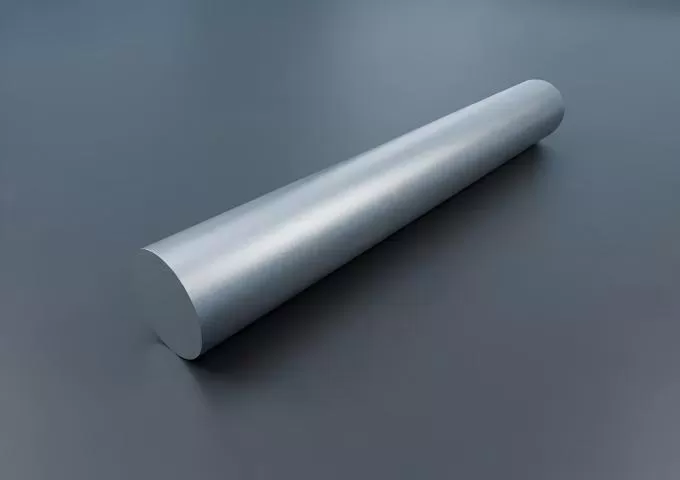
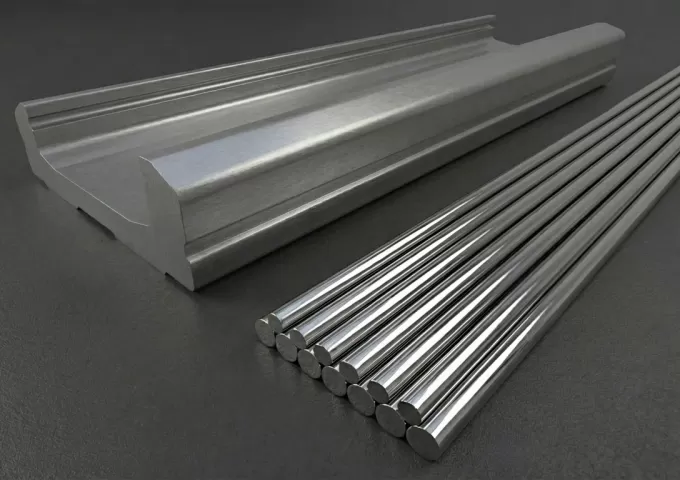
Round steel bar is a solid cylindrical section produced by hot rolling, cold drawing, or turning and polishing, delivered in straight lengths with defined diameter, straightness, and surface quality to serve as starting stock for machined components or as a direct‑use structural element.
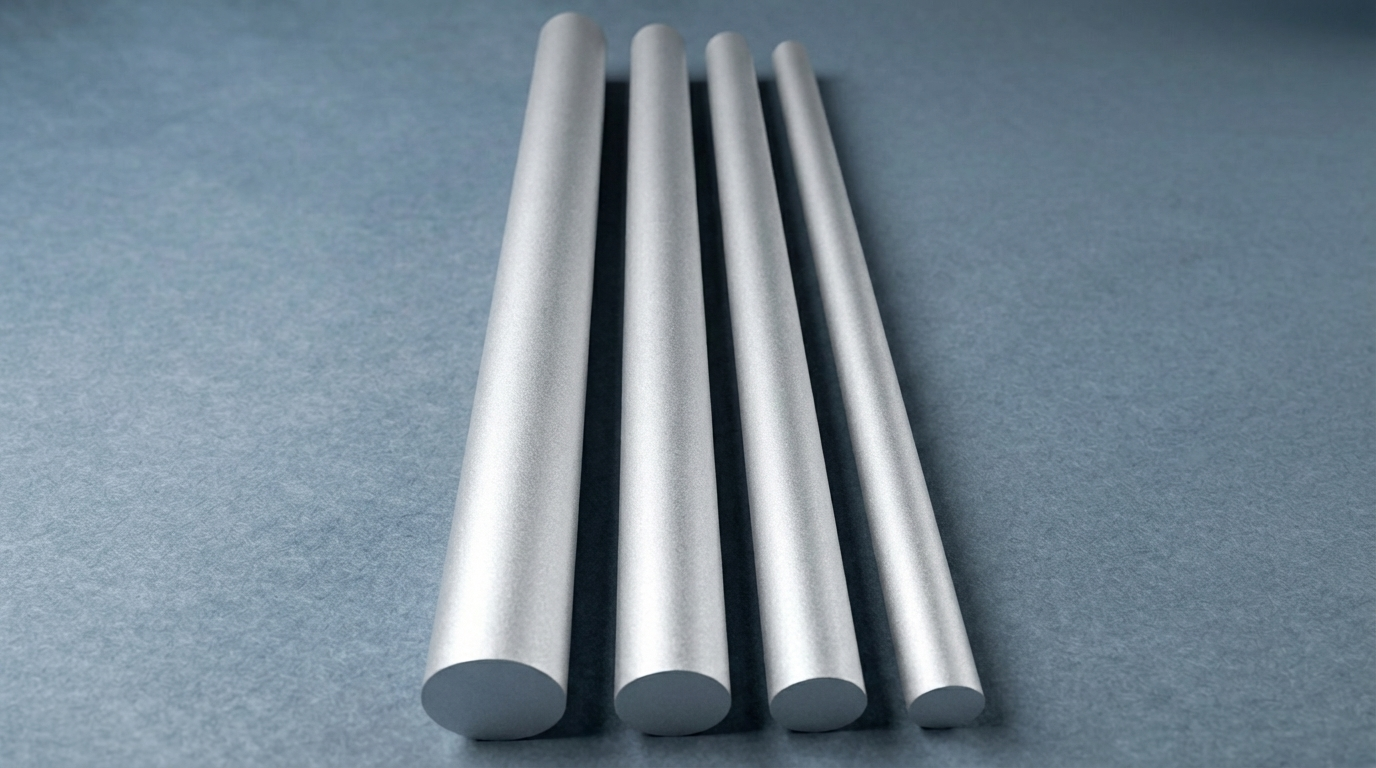
Round steel bar is not a single product. Its characteristics shift significantly depending on the process used to bring it to size. Hot‑rolled round bar carries a mill scale, a looser tolerance, and residual stress gradients from uneven cooling; it is economical for general fabrication where heavy machining will follow. Cold‑drawn round bar, by contrast, is pulled through a die at room temperature, yielding a bright, smooth surface, tighter diameter tolerance, and a work‑hardened skin that enhances yield strength. For the highest precision, turned and polished rounds offer the tightest diameter tolerance and are often stress‑relieved, making them ready for high‑speed CNC operations without a roughing pass.
A snapped axle or a backed‑out bolt rarely traces back to a simple overload; more often, it reveals a round bar that lacked the correct fatigue life, notch sensitivity, or surface hardness profile for the dynamic service condition.
Round steel bars are the default choice for shafts, axles, and fasteners because their circular cross‑section resists torsion uniformly, simplifies thread rolling and turning, and allows consistent case hardening and centreless grinding to achieve the surface integrity demanded by cyclic loading.
In power transmission shafts, straightness and concentricity of the round bar blank directly influence the quality of the finished bearing seats and splines. A cold‑drawn and stress‑relieved round bar minimises bending distortion during machining, preserving the geometric accuracy needed for smooth rotation at high rpm. For axles, the subsurface cleanliness—absence of micro‑inclusions and laps—guards against crack initiation under combined bending and torsional fatigue. Fastener production, particularly high‑strength bolts and studs, relies on round wire rod and drawn bar with precisely controlled decarburisation limits and consistent flow stress to achieve the correct tensile class after thread forming and heat treatment.
| Application | Critical round bar requirement | Typical quality call‑out |
|---|---|---|
| Transmission shaft | Straightness ≤ 0.5 mm/m, tight diameter tolerance | Cold‑drawn, stress‑relieved, bright surface |
| Axle | Internal cleanliness, core ductility | Fine‑grain killed steel, ultrasonic tested |
| High‑strength fastener | Consistent spheroidised microstructure, no surface decarb | Wire rod or drawn bar with certified chemistry |
Every minute spent centring and balancing an irregular block is a cost that round bar eliminates. Its geometric uniformity translates directly to faster cycle times, lower tool wear, and predictable material removal in automated cells.
Round bars excel in machining because their symmetry permits rapid three‑jaw chuck clamping and even rotation without counterweights, while in structural uses the uniform moment of inertia about any axis simplifies design for columns, posts, and torsion members.
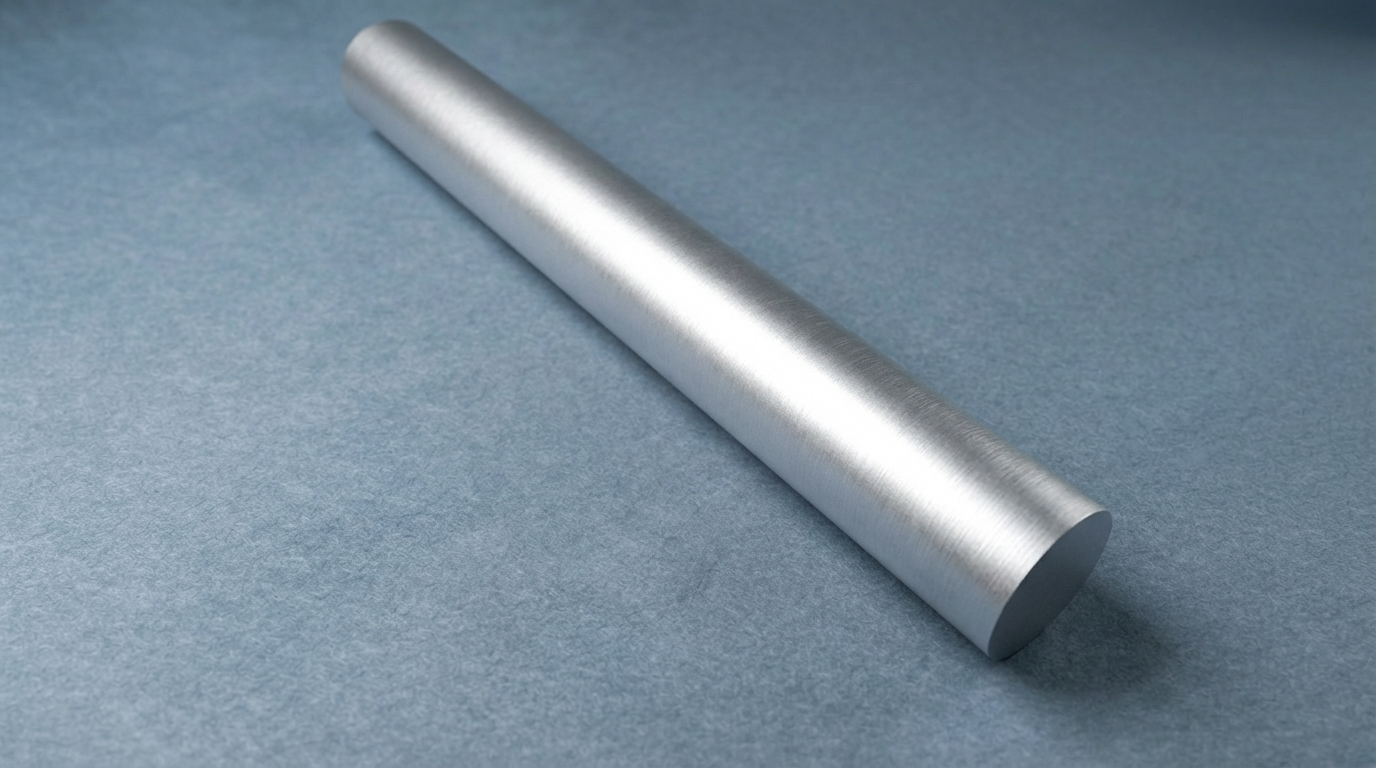
In CNC turning centres, round bar stock feeds seamlessly through bar feeders and spindle liners, enabling lights‑out production runs with minimal operator intervention. The constant cross‑section ensures consistent cutting forces, which stabilises tool deflection and yields superior surface finishes. Cold‑drawn round bars deliver a diameter tolerance that often eliminates the need for a rough‑turning pass; shops can move directly to semi‑finishing or thread‑cutting operations. Structurally, a solid round bar carries compressive loads without the weak‑axis buckling risk seen in flat or rectangular sections, and its torsional resistance is proportional to the polar moment of inertia, a value that is straightforward to calculate and optimise. This predictability makes round bar the preferred choice for railing stanchions, guide posts, and machinery tie rods.
| Machining advantage | Structural advantage |
|---|---|
| Self‑centring geometry for chucks | Equal radius of gyration in all directions |
| Compatible with bar feeder automation | No preferential buckling axis |
| Consistent chip formation and tool engagement | Excellent torsional stiffness for a given weight |
| Tight cold‑drawn tolerance reduces setup | Clean aesthetic for architectural exposed steel |
A steering rack must perform lock‑to‑lock thousands of times without slop or seizure. Behind that reliability is a round bar engineered not just to a dimension, but to a complete material and processing specification.
In automotive manufacturing, round steel bars deliver the fatigue‑rated input shafts, seat‑mechanism guide rods, and precision fasteners that meet stringent durability targets—performing reliably in electric power steering units, transmission sub‑assemblies, and crash‑critical anchorage points.
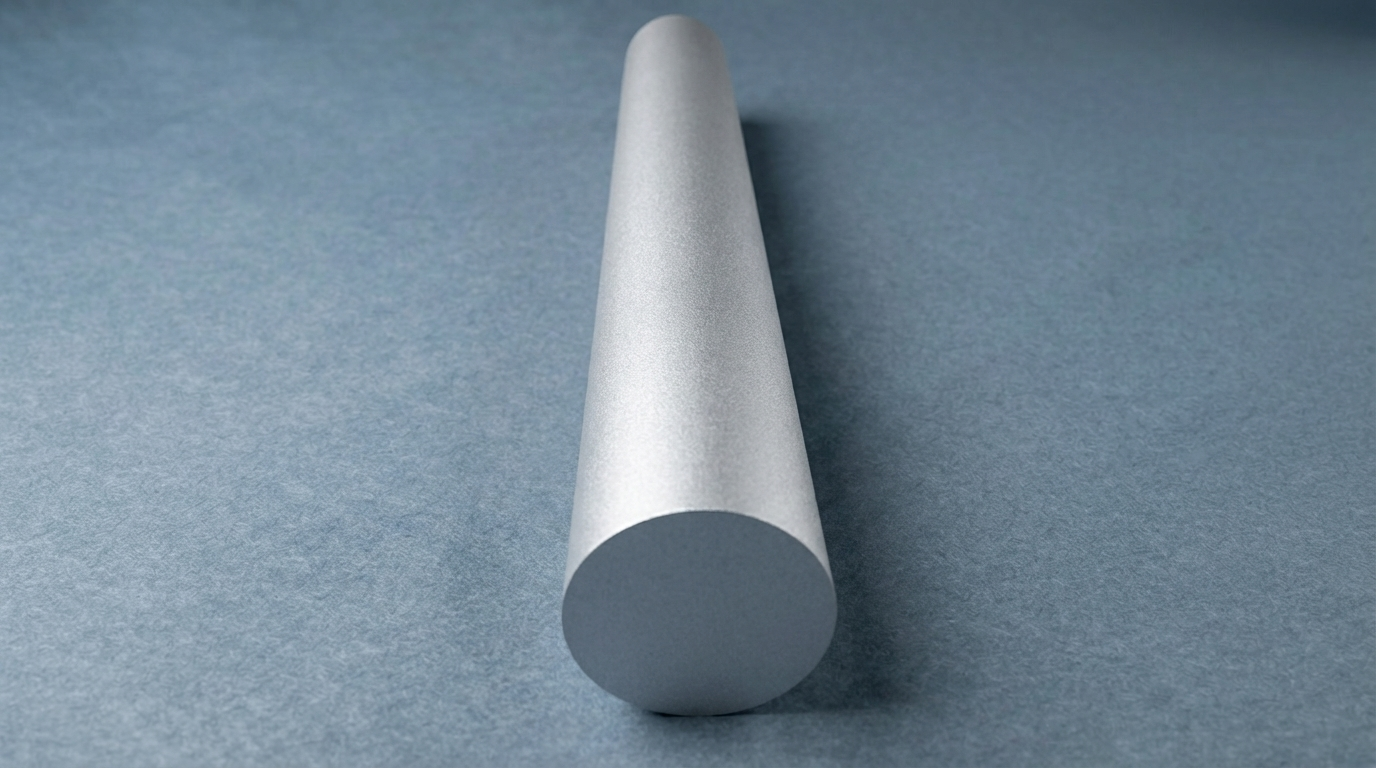
Automotive suppliers and OEMs increasingly demand round bar that arrives in a condition ready for hard‑turning or roll‑forming, skipping in‑house normalising or peeling operations. For an electric power steering input shaft, the cold‑drawn round bar is specified with a controlled surface decarburisation depth and a fine prior austenite grain size to survive the multi‑axis fatigue spectrum tested on servo‑hydraulic rigs. In seat systems, high‑precision round bar with a bright finish is cut to length, induction‑hardened, and assembled into height‑adjustment and longitudinal‑slide modules where stick‑slip behaviour must be avoided for the vehicle’s lifetime. Even apparently simple fasteners like wheel bolts undergo a refinement path that begins with spheroidised‑annealed wire rod to guarantee the flow stress needed for cold heading, followed by quench‑and‑temper treatments to meet property class 10.9 or 12.9.
| Vehicle system | Round bar component | Performance expectation |
|---|---|---|
| Electric power steering | Pinion/input shaft | High‑cycle torsional fatigue, low backlash |
| Seat mechanism | Guide rod, spindle | Wear resistance, consistent friction coefficient |
| Wheel & chassis | Wheel bolt, stabiliser link stud | Tensile class 10.9+, ductile failure mode |
Round steel bar underpins modern manufacturing by uniting geometric simplicity with metallurgical versatility, delivering the precision, fatigue resistance, and machining efficiency essential for drivetrains, fasteners, and automated production lines.