What are you looking for?
Excessive vibration and premature wear on linear axes point to one overlooked variable—the quality of the machine tool guideway section steel.
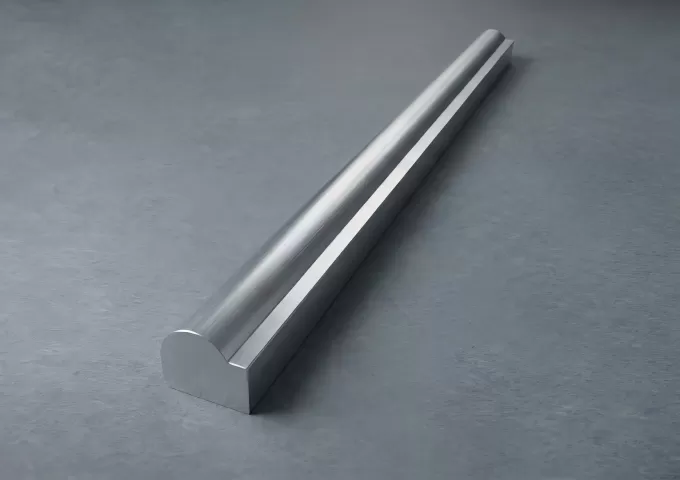
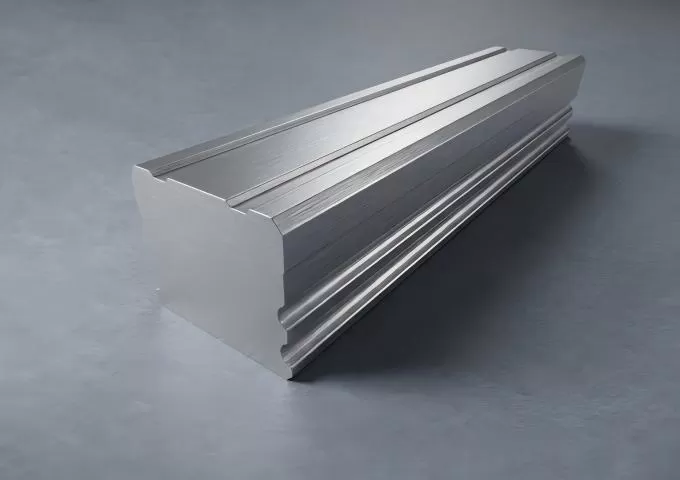
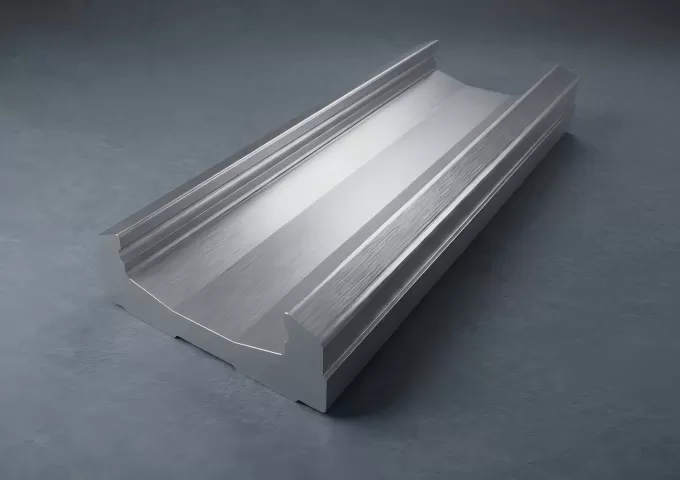
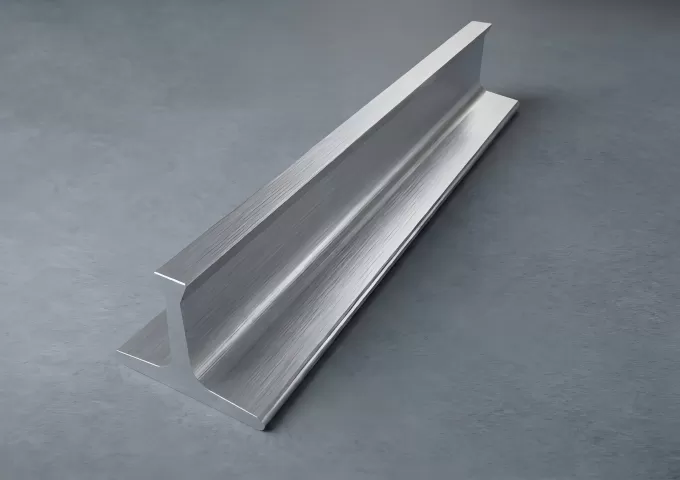
Machine tool guideway steel is a cold-drawn special-shaped profile integrating raceways and mounting features, delivering high straightness, wear resistance, and dimensional stability critical for precise linear motion in CNC machine tools.
Behind every micron-level positioning accuracy lies a carefully engineered steel profile. From raw material selection to cold-drawing precision, every step determines whether a linear axis delivers reliable service or becomes a recurring bottleneck.
Assuming all guideway steel is the same leads to overspending on machining and early failure.
Machine tool guideway steel is a cold-drawn, near-net-shape steel profile with integrated raceway grooves and mounting shoulders, eliminating extensive machining while providing the geometric precision and surface hardness required for linear bearing systems.
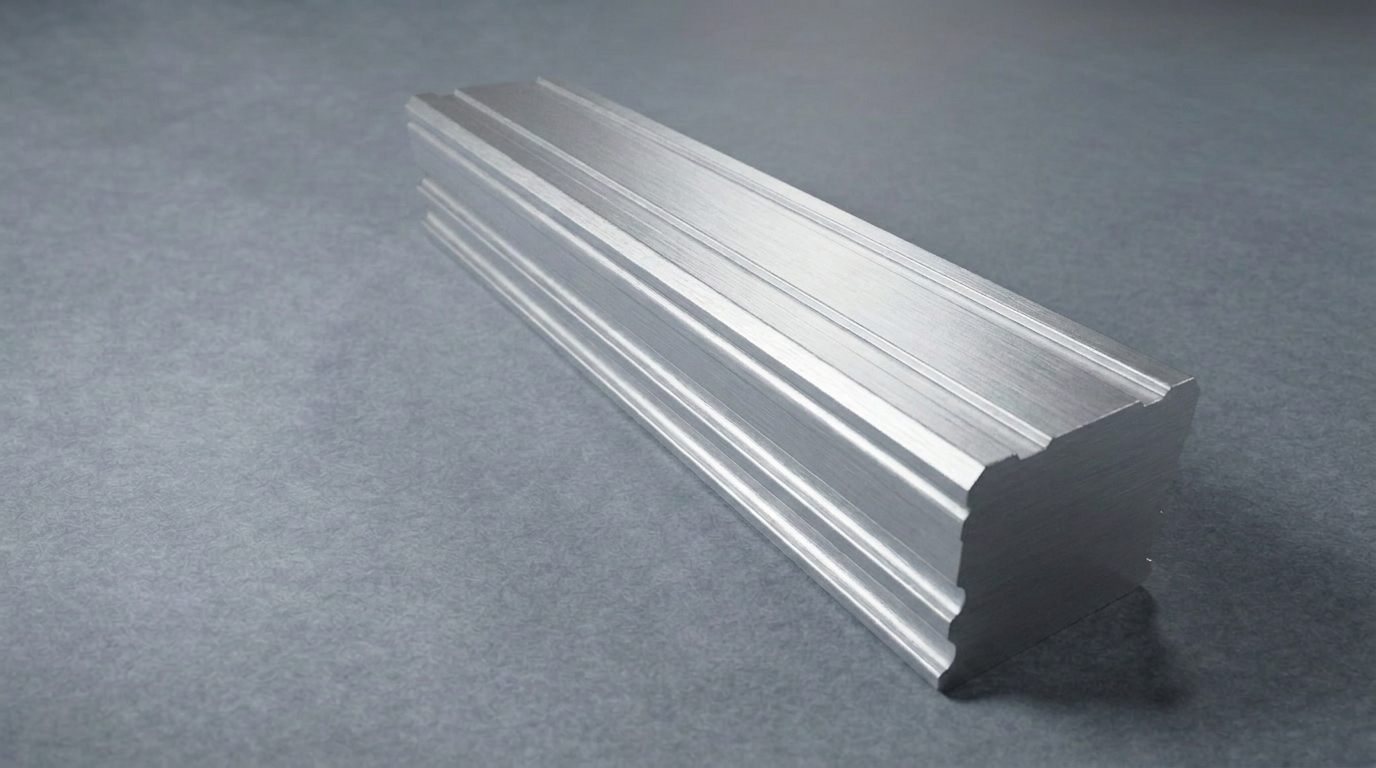
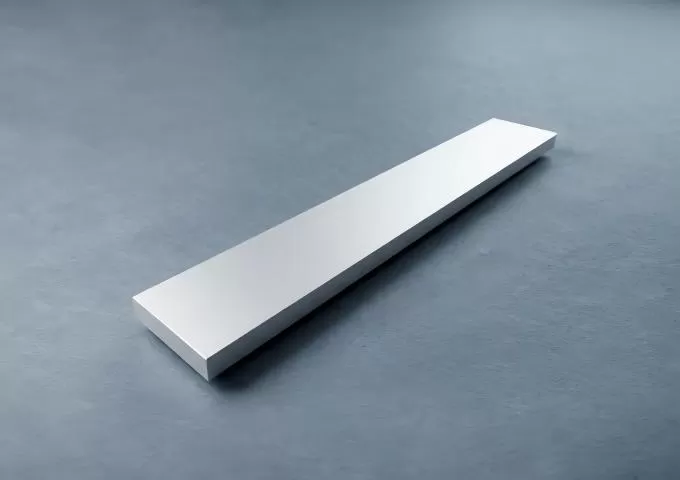
Standard flat or square bars force manufacturers to machine every functional surface from solid stock, wasting material and risking geometric distortion from asymmetric stress relief. Guideway section steel reverses this logic: the cold-drawing process forms the raceway profile, bolt‑mounting flats, and reference edges directly into the cross‑section. This approach preserves the continuous grain flow along the rail axis, enhancing fatigue resistance under rolling‑element loading. The as‑drawn surface hardness and tight straightness tolerance often allow direct finish grinding or induction hardening without rough milling. The result is a dramatic reduction in machining hours, chip loss, and in‑process inspection steps.
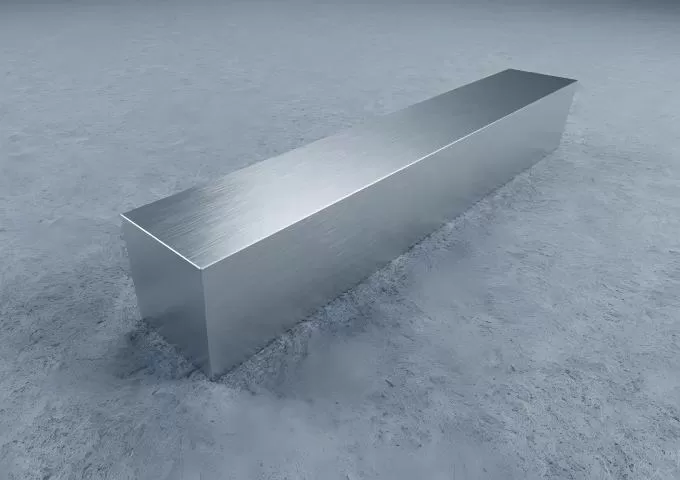
| Aspect | Standard flat bar | Cold‑drawn guideway section steel |
|---|---|---|
| Starting geometry | Rectangular, no functional features | Integrated raceways, shoulders, reliefs |
| Material utilisation | Low; milled from solid | High; near‑net shape |
| Straightness control | Limited by machining | Built‑in through cold‑drawing |
| Grain flow | Interrupted by cutting | Continuous along rail length |
| Downstream processing | Milling, grinding, stress‑relief | Often only finish grinding and hardening |
The cold-drawing process achieves this through precisely shaped dies and controlled lubrication, often with in-line straightening and eddy-current inspection to guarantee consistent straightness and surface integrity along the full bar length.
Every regrind of a worn guideway costs hours of production. High-quality section steel resists wear and deformation from the start.
High-quality guideway section steel provides superior straightness, uniform hardness, and a cold-worked surface that reduces friction and extends service life, ensuring consistent slide movement and reduced maintenance intervals in high-duty-cycle applications.
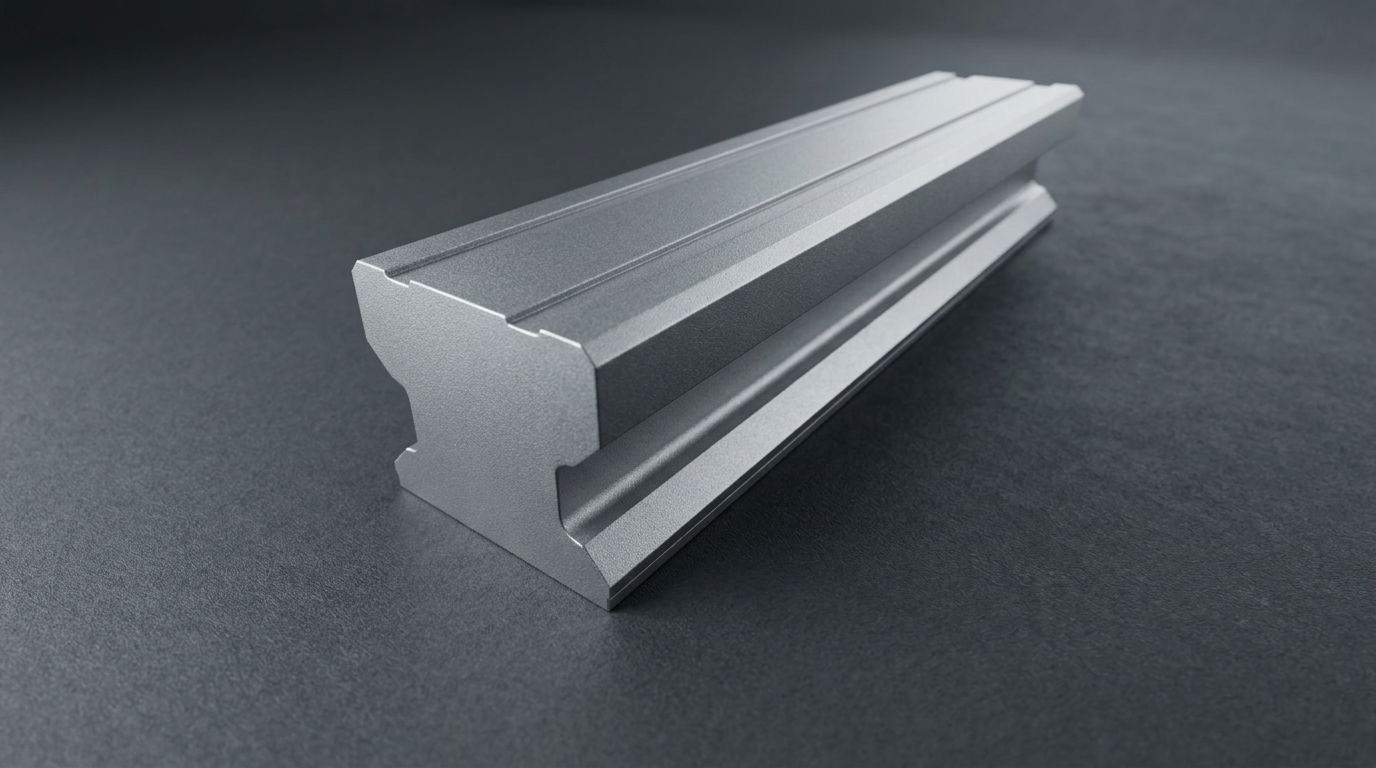
The benefits extend far beyond the initial blank cost. A cold‑drawn profile with controlled decarburisation and a smooth surface finish directly influences the quality and uniformity of induction hardening. Uniform case depth and hardness across the raceway improve load distribution, minimising localised brinelling and pitting. The profile’s inherent straightness reduces the scraping or grinding stock needed to achieve final geometry, which shortens assembly fit‑up time. When the section steel also serves as the structural backbone of a slide or module, its stiffness‑to‑weight ratio becomes a design lever for faster rapid traverses without compromising dynamic rigidity.
| Benefit | Mechanical consequence | Economic outcome |
|---|---|---|
| Consistent straightness | Reduced grinding stock | Faster finishing, lower tool cost |
| Work‑hardened surface | Uniform base for hardening | Predictable case depth, fewer rejects |
| Integrated profile | Elimination of rough milling | Shortened machining sequence |
| Continuous grain flow | Higher rolling‑contact fatigue life | Longer service intervals, fewer warranty claims |
Stress-relieved guideway profiles add another layer of value: they resist slow geometric drift over time, a critical requirement in measurement machines and lithography stages where even sub-micron instability can degrade process yield.
Unstable slides and stick-slip ruin surface finishes. Precision equipment demands guideway steel with zero compromise on straightness.
Machine tool guideway steel is used in CNC lathes, machining centres, grinding machines, and coordinate measuring machines where linear rails, carriage slides, and column ways require high load capacity, accuracy, and long-term geometric stability.
Different machine architectures place unique demands on the guideway cross‑section. Vertical machining centre columns need a combination of bending stiffness and guiding accuracy, often fulfilled by symmetrical profiles with four raceway grooves. High‑speed linear motor stages utilise lightweight, multi‑functional slider module section steel that integrates the carriage body and rolling‑element tracks. Heavy‑duty turning centres lean on guideway profiles with deep sections and robust mounting flanges to damp vibration and resist overturning moments. The common thread is that the section steel arrives as a qualified component, not just a piece of stock, allowing machine builders to focus on assembly and final alignment.
| Equipment type | Guideway section requirement | Typical profile feature |
|---|---|---|
| CNC machining centre | High stiffness, four‑way raceway | Symmetrical box section with reliefs |
| Precision grinder | Ultra‑high straightness, fine surface | Thin‑walled, stress‑relieved, bright finish |
| CMM & measurement stage | Lightweight, stable | Slider module section steel with integral track |
| Heavy‑duty lathe | High damping, wide mounting base | Deep section with bolt‑down flats |
These profiles are typically manufactured from fine-grain killed steel grades with low inclusion content, ensuring a predictable response to case hardening and the ductile core necessary to survive rolling-contact fatigue and clamping loads.
Specifying guideway steel without understanding load profiles and machining allowances leads to costly over-engineering or premature failure.
Choose machine tool guideway steel by evaluating required load capacity, desired straightness tolerance, surface hardness after induction hardening, and the cross‑sectional profile that minimises secondary machining—balancing initial material cost against total processing expense.
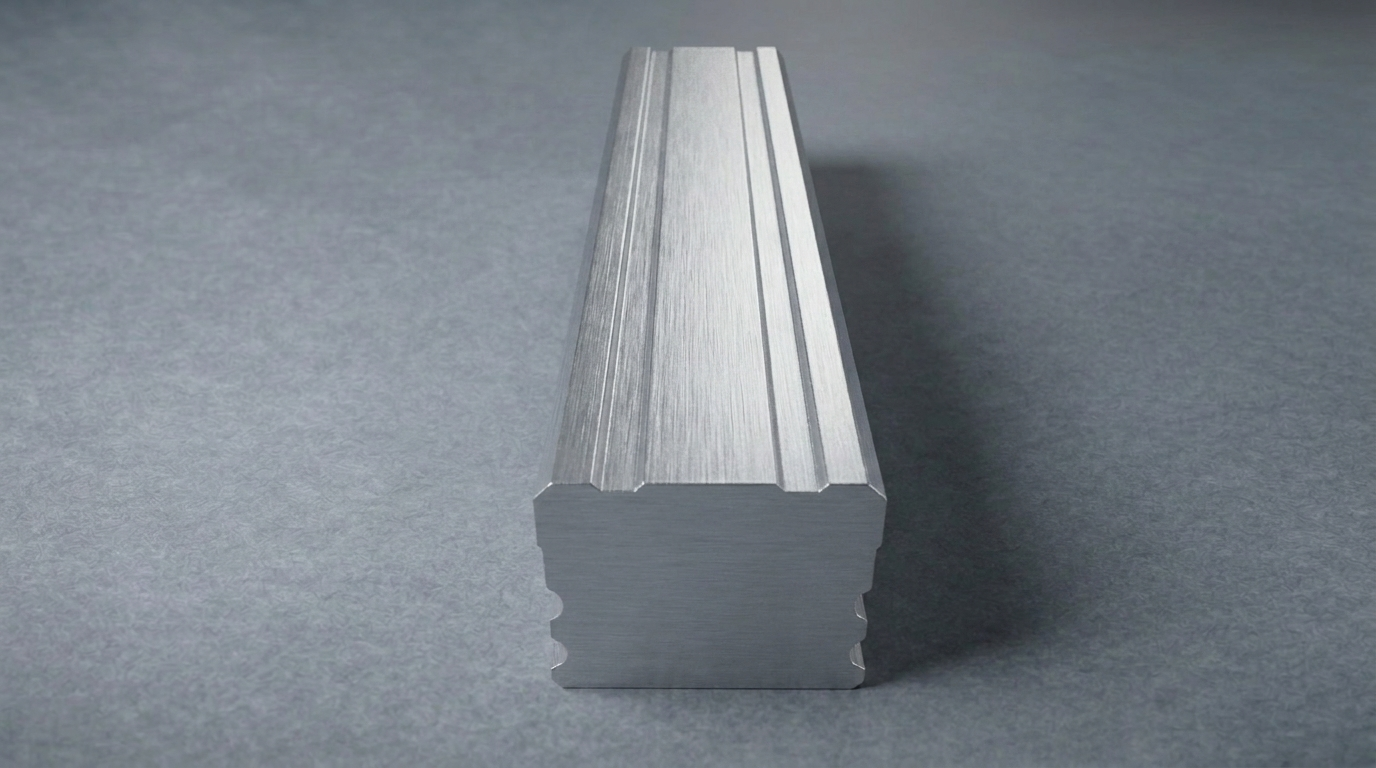
The selection process starts with the linear guide specification. Determine the dynamic and static load ratings, required stroke length, and mounting configuration. Translate these into a profile that offers adequate section modulus and raceway contact geometry. Collaborate with the section steel supplier early to confirm whether a standard special‑shaped die exists or whether minor modifications to an existing profile can meet the need, avoiding the lead time and cost of a fully custom die. Finally, specify the as‑supplied condition: straightness class, surface hardness, decarburisation limit, and whether pre‑stress relief or a microstructure‑based customisation is required for the subsequent hardening route. Always trial a sample length to verify as-drawn hardness uniformity and reference-surface flatness before committing to production quantities.
Machine tool guideway section steel transforms linear motion performance through tailored profiles, controlled metallurgy, and consistent dimensional accuracy, slashing machining costs and preventing premature guideway failure.