What are you looking for?
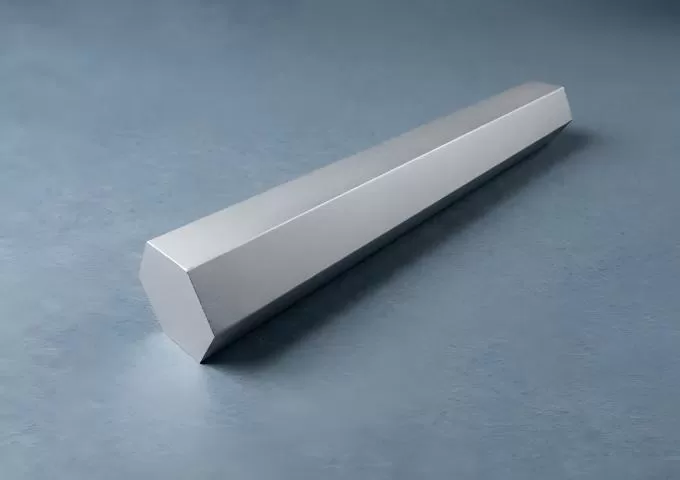
A steel hex bar is widely used to manufacture fasteners, fittings, machine components, tools, and parts that require a six-sided profile. Because the material is supplied with a near-net hexagonal shape, manufacturers can often reduce milling work compared with producing the same profile from a round bar.
However, selecting a suitable bar requires more than confirming the nominal size. Material grade, dimensional tolerance, straightness, surface condition, delivery length, and heat-treatment requirements can all affect machining efficiency and final component quality.
For industrial buyers, a clear purchasing specification helps suppliers provide accurate quotations and reduces the risk of receiving material that requires excessive secondary processing. This guide explains the main factors to consider when sourcing a hexagon steel bar for fasteners and precision-machined components.
A cold-drawn hex bar is produced by pulling prepared steel through a shaped die to form a controlled six-sided cross-section. Depending on the production requirements, the process may also include heat treatment, shot blasting, drawing, straightening, and surface inspection.
Cold drawing can provide better dimensional consistency and surface quality than less-finished bar products. These characteristics are especially useful when the material must be automatically fed, securely clamped, or machined in high-volume production.
Common applications include:
Hexagonal nuts and bolts
Spacers and connectors
Hydraulic and pneumatic fittings
Hand tools and tool components
Shafts with wrenching surfaces
Automotive and machinery parts
Threaded and drilled components
Using a hexagon steel bar that is already close to the final component profile can reduce the amount of material removed during machining. It may also eliminate the need to mill six separate flats from round stock.
This does not mean cold-drawn material is required for every project. Components with broad dimensional tolerances or extensive final machining may not need the same level of initial surface and dimensional control. The correct product should therefore be selected according to the finished part rather than the bar price alone.
The nominal size of a hex bar is normally defined by the distance between two opposite flat surfaces. This measurement is often described as the across-flats dimension or “S” dimension.
Buyers should not confuse the across-flats measurement with the distance between opposite corners. These dimensions are different, and using the wrong reference can result in unsuitable material being ordered.
A complete specification should include more than the nominal hexagon bar dimensions:
| Specification | Information to Confirm |
|---|---|
| Across-flats size | Required nominal S dimension |
| Dimensional tolerance | Standard tolerance or drawing-specific limit |
| Bar length | Random, fixed or cut-to-length supply |
| Length tolerance | Acceptable variation in finished length |
| Straightness | Maximum deviation over a stated distance |
| Surface condition | Roughness and acceptable surface defects |
| End condition | Saw-cut, chamfered or machined |
| Quantity | Number of bars, total weight or annual demand |
Tianchen’s hexagonal bar range includes S6–S75 sizes, customizable lengths from 2.5 to 8 meters, surface roughness up to Ra 1.6 μm and h9, h10 or h11 dimensional tolerance options.
A tighter tolerance is not automatically the best choice. For example, h9 may provide more precise dimensional control than h10 or h11, but it can also increase production and inspection requirements. Buyers should select tolerances according to the final machining allowance, component fit, and clamping method.
Accurate hexagonal bar dimensions can be particularly important in automated machining. Excessive variation may affect collet clamping, bar feeding, and the consistency of finished components.
The correct steel grade depends on how the finished part will be loaded, machined, heat treated, and used. Purchasing only by shape and size can result in material that is difficult to machine or unable to achieve the required mechanical properties.
Carbon steel is commonly selected for general fasteners, supports, connectors, and mechanical components. It offers a practical balance between strength, machinability, and cost for many industrial applications.
Alloy steel may be required when components need higher strength, wear resistance, or heat-treatment performance. The required grade should be chosen according to the target hardness and service conditions rather than using “alloy steel” as a general description.
Free-cutting steel is suitable for large-volume turned, drilled, or threaded components. Improved machinability may help increase production speed, extend tool life, and produce more consistent machined surfaces.
A stainless steel hexagon bar may be selected for components exposed to moisture, chemicals, or environments where corrosion resistance is important. The exact stainless steel grade must still be specified because different grades provide different corrosion resistance, strength, and machining behavior.
Buyers should state the required material standard and grade in the inquiry. When international equivalents are acceptable, the supplier should confirm the proposed EN, ASTM, JIS, or GB grade before production.
Related standard steel bars should also be evaluated when a project contains several bar profiles or component types.
Material price is only one part of the total component cost. The amount of machining, tool wear, inspection time, and metal waste can have a greater effect on production economics.
Starting with a six-sided profile can reduce or eliminate the milling required to create flats from round bar. This is useful for parts that need wrenching surfaces or a hexagonal external shape.
Cold-drawn material can also provide several production advantages:
Less stock removal from the external profile
More consistent clamping in machining equipment
Reduced setup time for repetitive components
Better suitability for automatic bar feeding
Lower variation between production batches
Less finishing on non-critical external surfaces
Reduced material waste compared with oversized stock
These advantages are particularly relevant to high-volume fasteners, fittings, and precision components. When additional services are required, buyers may also evaluate machined steel solutions rather than purchasing raw bar and arranging every secondary process separately.
The potential savings should be evaluated across the entire manufacturing process. A bar with a higher purchase price may still reduce the final cost per part when it shortens cycle time and lowers material removal.
An incomplete inquiry often leads to an inaccurate quotation. Before contacting hexagonal steel bar suppliers, prepare a specification that reflects both the raw material and the finished component requirements.
The inquiry should include:
Steel grade and applicable material standard
Across-flats size and dimensional tolerance
Required bar or cut length
Straightness and twist requirements
Surface roughness and defect limitations
Heat-treatment or hardness requirements
Total quantity and expected purchasing frequency
Material test certificate requirements
Packaging and rust-prevention requirements
Destination port and delivery schedule
Buyers should also ask whether the supplier can provide sample material or a first-article inspection before mass production. For recurring orders, samples help verify machining behavior, dimensional consistency, and surface condition before a larger commitment is made.
Comparing suppliers only by price per ton may hide significant differences. One quotation may include tighter tolerances, straightening, inspection, and protective packaging, while another may include only basic bar material. Quotations should therefore be compared using the same technical and commercial scope.
The nominal size normally refers to the distance between two opposite flat surfaces. Buyers should clearly state that the required dimension is measured across flats rather than across corners.
Cold-drawn bar is generally more suitable when tighter tolerances, improved surface quality, and consistent dimensions are required. Hot-rolled material may remain practical for applications with wider tolerances or extensive subsequent machining.
The tolerance should be based on the finished part, machining allowance, clamping method, and inspection requirements. Selecting the tightest available tolerance may add unnecessary cost when the component does not require it.
Custom grades, dimensions, and lengths may be available depending on the required material, order quantity, and production conditions. Buyers should provide a complete drawing or technical specification so feasibility, minimum order quantity, and lead time can be confirmed.