What are you looking for?
Standard steel bars are suitable for many industrial components, but they do not always match the shape, tolerance, surface condition or mechanical performance required by a specific application. When manufacturers must remove large amounts of material, perform additional heat treatment or correct dimensional variation, the apparent savings from standard stock can quickly disappear.
Custom steel processing addresses this problem by supplying steel closer to the customer’s final production requirements. The process may involve customized cross-sections, controlled tolerances, selected steel grades, heat treatment, grinding, turning or surface finishing.
However, a successful custom project depends on more than sending a drawing and requesting a quotation. Buyers must clearly define the material, critical dimensions, delivery condition and inspection requirements. This guide explains how a custom steel project can move efficiently from technical review to sample approval and stable batch production.
Custom processing can cover several stages between raw steel production and final component manufacturing. The exact scope depends on the geometry, material properties and downstream operations required by the buyer.
Typical services may include:
Selection of carbon or alloy steel grades
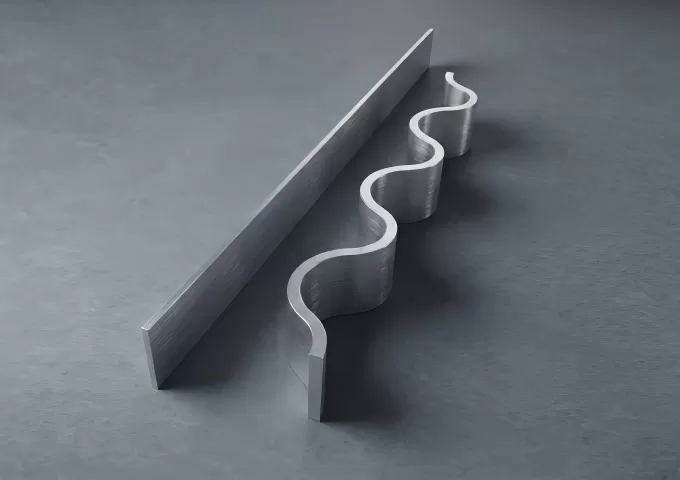
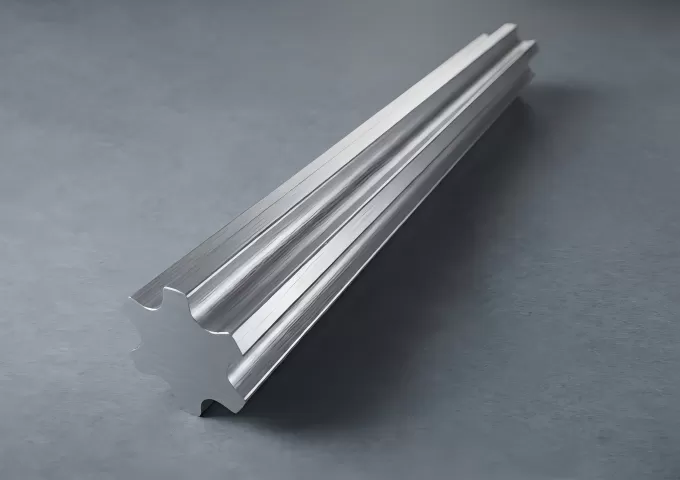
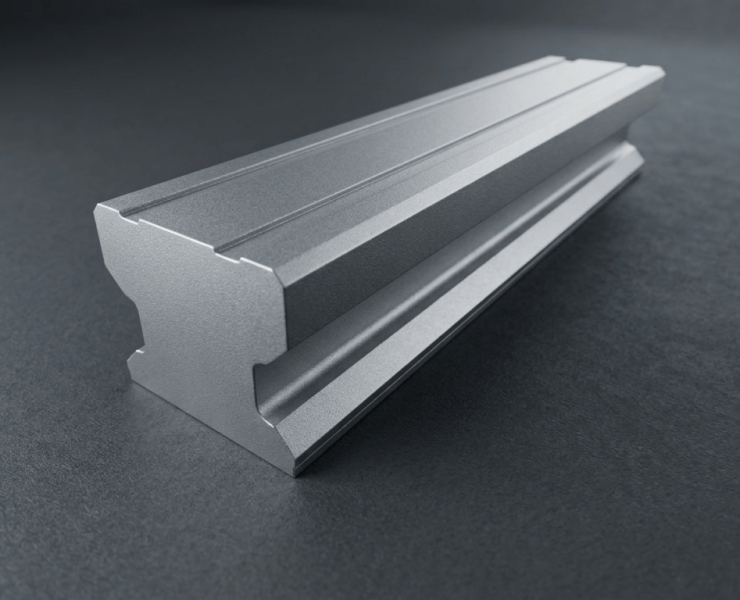
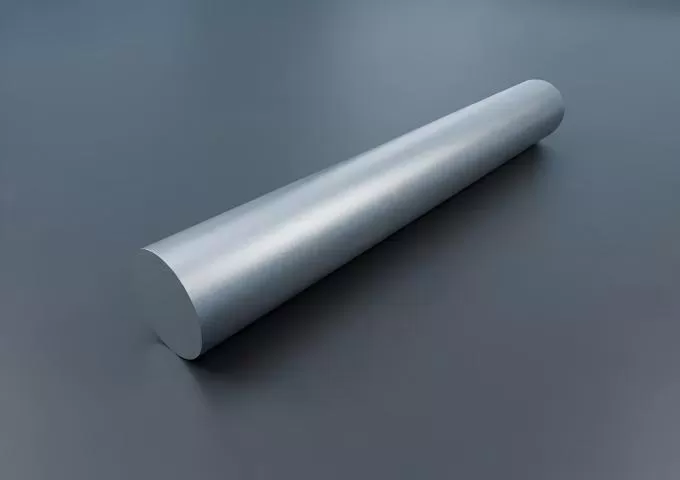
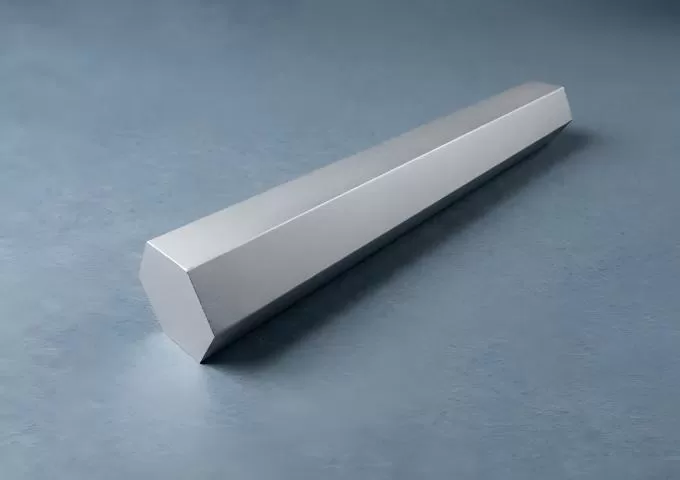
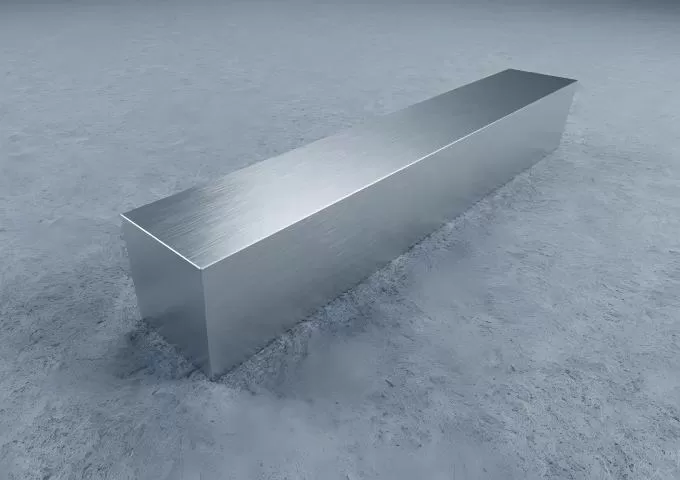
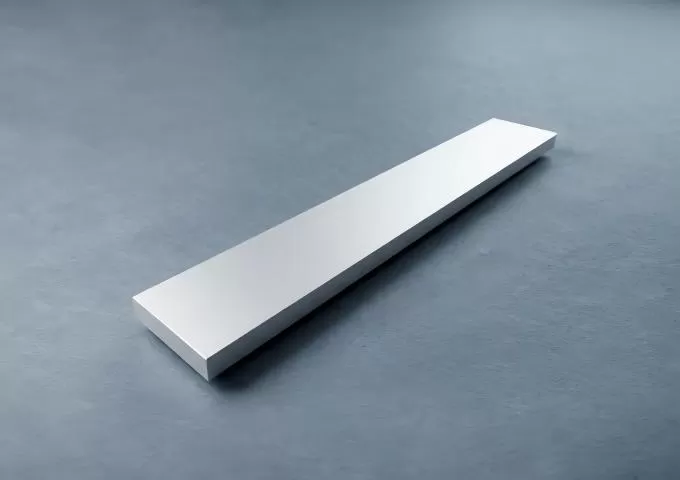
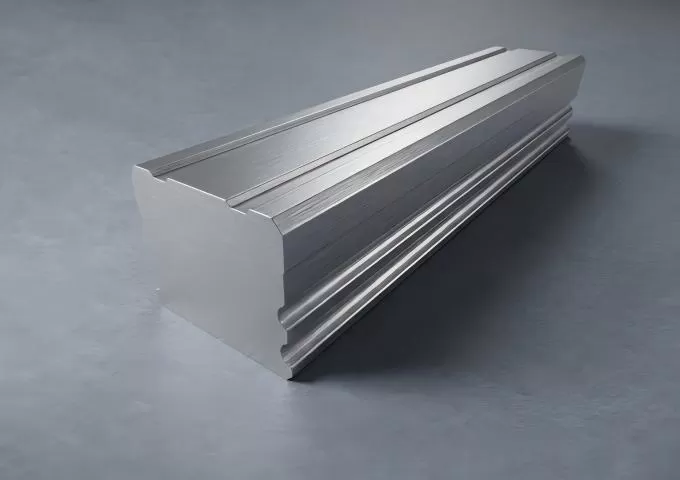
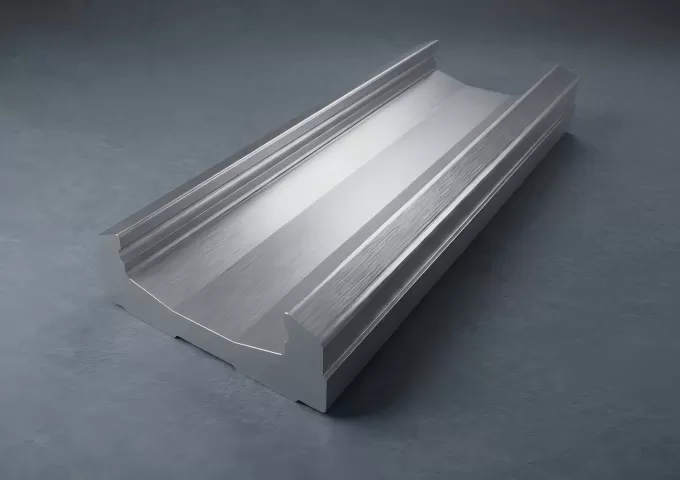
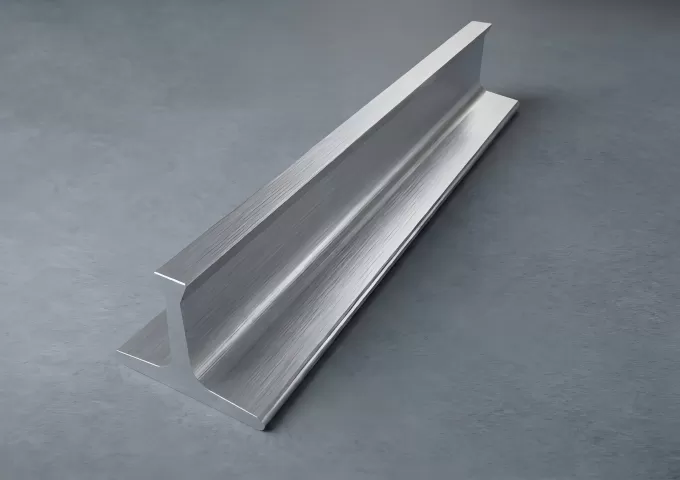
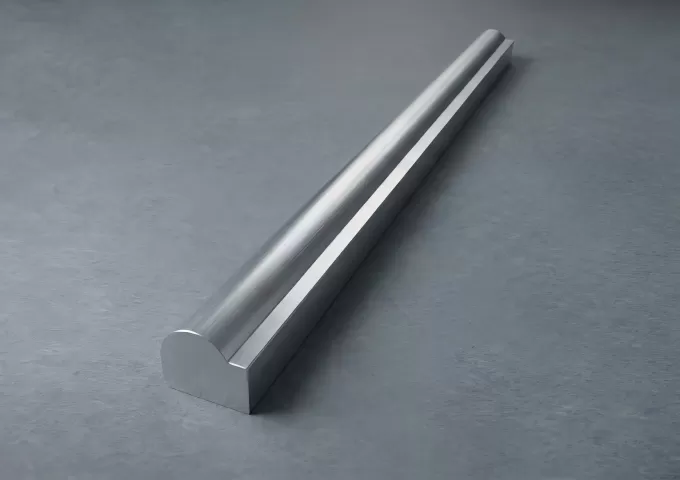
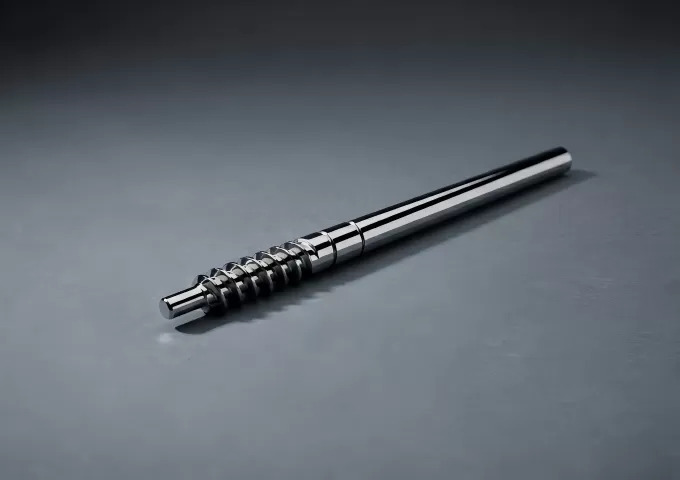
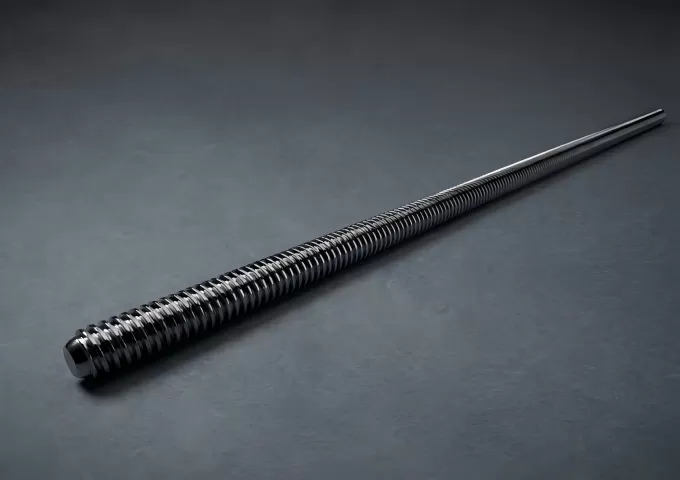
Development of round, square, hexagonal or special cross-sections
Cold drawing to improve dimensional consistency
Straightening and fixed-length cutting
Turning, peeling, grinding or polishing
Annealing, normalizing, or quenching and tempering
Surface and dimensional inspection
Material certification and batch traceability
The purpose is not to add as many operations as possible. It is to determine which processes can reduce the customer’s later machining, heat-treatment or inspection workload.
For example, a customized steel profile that is already close to the finished component shape may require less milling than an oversized standard bar. A pre-treated bar may also reduce the need for separate heat-treatment handling before machining.
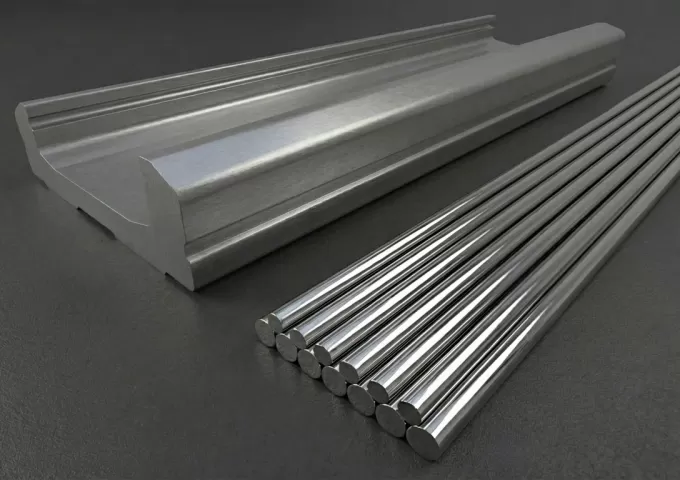
Tianchen offers customized profiles, dimensions and delivery conditions, including cold-drawn, ground, turned, polished and heat-treated steel products. Its listed precision options cover h7 to h9 grades, with surface roughness levels from Ra 0.4 to 1.6 μm depending on the selected process.
A drawing is one of the most important documents in a custom steel processing project. It should communicate not only the general shape but also the measurements and performance requirements that affect manufacturing.
A useful drawing should include:
| Drawing Item | Information to Provide |
|---|---|
| Cross-section | Round, square, hexagonal or special profile |
| Nominal dimensions | Required dimensions and measurement references |
| Tolerances | Limits for critical and non-critical dimensions |
| Material | Steel grade and applicable standard |
| Length | Mill length, fixed length or cut-to-length requirement |
| Straightness | Maximum permitted deviation |
| Twist | Acceptable rotational variation for shaped profiles |
| Surface finish | Roughness and surface defect limits |
| Delivery condition | Cold-drawn, annealed, normalized, ground or heat-treated |
| End condition | Saw-cut, chamfered, turned or otherwise finished |
| Inspection | Required reports, certificates or testing methods |
Buyers should distinguish the dimensions of the supplied bar from those of the final machined component. If the drawing shows only finished-part dimensions, the supplier may not know how much machining allowance is required.
Not every measurement needs the tightest possible tolerance. Critical assembly, clamping or bearing surfaces should be clearly identified, while non-functional dimensions can often use wider limits. Applying unnecessarily strict tolerances throughout a drawing may increase tooling, production and inspection costs without improving component performance.
For a complex custom steel profile, a 3D model can help explain the overall geometry, but a controlled 2D drawing should still define dimensions, tolerances and inspection references.
Steel grade selection should begin with the working conditions of the finished component. Buyers need to consider strength, hardness, fatigue resistance, wear, machinability and the possibility of later heat treatment.
Carbon steel may be suitable for general machine components, supports and parts with moderate strength requirements. Alloy steels such as 40Cr or 42CrMo may be evaluated when higher strength, toughness or heat-treatment performance is required. The correct choice depends on the load, operating environment and applicable industry standard.
The material grade should not be considered separately from its delivery condition. The same steel may behave differently when supplied as cold-drawn, annealed, normalized or quenched and tempered material.
Important questions include:
Will the customer machine the bar before or after heat treatment?
Is a specific hardness range required?
Must the material remain dimensionally stable during machining?
Will the supplied surface be used directly in assembly?
Is additional grinding required after heat treatment?
Are decarburization or microstructure limits important?
A custom steel bar supplied in a pre-treated condition can reduce external processing steps, but the hardness must remain compatible with the customer’s cutting equipment. Tianchen lists cold-drawn, cold-drawn and ground, quenched-and-tempered and turned, as well as turned, ground and polished delivery options.
When the project requires an irregular cross-section rather than a standard bar, buyers can also evaluate special-shaped steel to reduce unnecessary stock removal.
Sample production creates a controlled stage between drawing approval and full-volume manufacturing. It allows both the buyer and supplier to confirm whether the proposed material and process can consistently meet the application requirements.
A prototype or small trial batch can be used to verify:
Whether the profile can be formed without cracks or distortion
Whether corners, radii and grooves match the drawing
Whether straightness and twist remain within limits
Whether the selected material is suitable for machining
Whether the surface condition meets assembly requirements
Whether heat treatment changes dimensions or hardness as expected
Whether the packaging protects ground or polished surfaces
Sample approval should not be based only on a dimensional report. The buyer should, where practical, machine the material using normal production equipment and test it in the intended assembly.
This may reveal issues that cannot be identified through basic measurement. For example, a bar may satisfy dimensional requirements but produce excessive tool wear, unstable chips or distortion during machining.
Tianchen states that it supports flexible order quantities ranging from small-batch trials to mass-production orders and can manufacture according to 2D or 3D technical drawings.
After a sample has been approved, its confirmed specifications should become the reference standard for future orders. The final documentation should identify the drawing version, material grade, delivery condition, inspection method and approved deviations.
Before batch production, buyers and suppliers should confirm:
The approved drawing revision
Steel grade and equivalent material standard
Critical dimensions and inspection frequency
Heat-treatment and hardness requirements
Surface roughness and defect limits
Fixed-length and end-finishing requirements
Material Test Certificate requirements
Packaging and rust-prevention methods
Batch identification and traceability
Procedures for engineering changes
Changes should not be communicated only through emails or informal comments. A revised drawing should receive a new version number so the production and inspection teams use the same requirements.
Buyers should also consider whether purchasing raw profiles or more complete machined steel provides the better total cost. Additional supplier-side processing may be worthwhile when it reduces internal setups, scrap, subcontracting or lead time.
Buyers should provide a 2D drawing, an optional 3D model, the required steel grade, delivery condition, order quantity and inspection requirements. The drawing should clearly distinguish critical dimensions from reference dimensions.
Yes. A near-net-shape profile may reduce material removal, machining time and metal waste. The actual saving depends on profile complexity, tooling cost, order volume and required tolerance.
Tolerances should be based on the functional requirements of the finished component. Applying the tightest tolerance to every dimension may increase production costs without improving assembly or performance.
Buyers should check dimensions, straightness, twist, hardness, surface quality, material certification and machining performance. Actual cutting, heat-treatment or assembly trials may also be required.
Small trial orders may be available depending on the profile, steel grade and tooling requirements. The buyer should confirm minimum order quantity, tooling charges and the expected volume of later production.