What are you looking for?
OEM buyers often compare raw steel bars and finished parts based on the initial quotation. Raw material usually has a lower unit price, while a finished machined steel component includes cutting, turning, drilling, threading and inspection costs. However, the lower material price does not always result in a lower final production cost.
When raw bars are purchased, the buyer must provide equipment, operators, cutting tools, inspection capacity and production time. Material waste, machine setup and rejected parts also affect the actual cost of each usable component.
Buying machined steel parts transfers some or all of these processes to the supplier. The parts may arrive with finished diameters, threads, holes, keyways, splines or surface treatments, allowing them to enter assembly with limited additional work.
The right purchasing model depends on production volume, internal capacity, component complexity and quality requirements. OEM buyers should therefore compare the total cost of obtaining an assembly-ready part rather than focusing only on the price per kilogram.
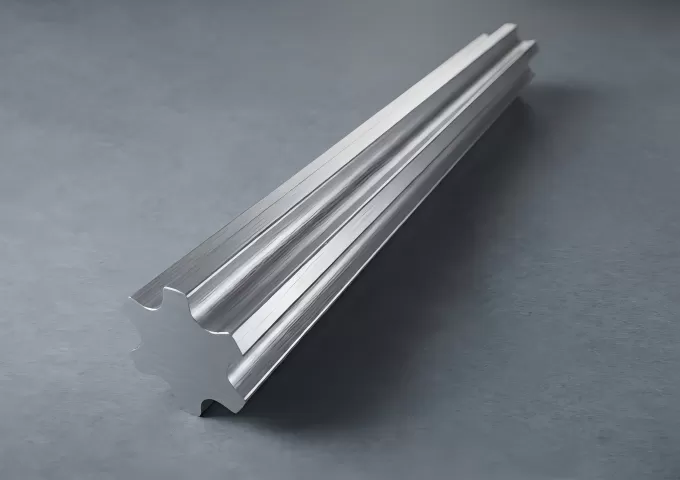
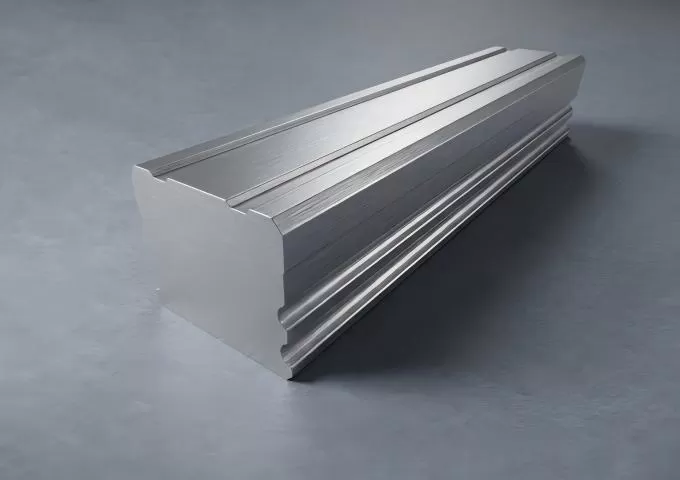
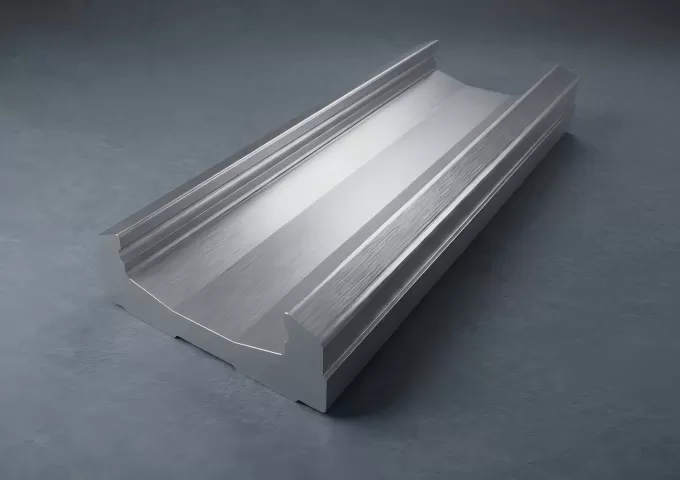
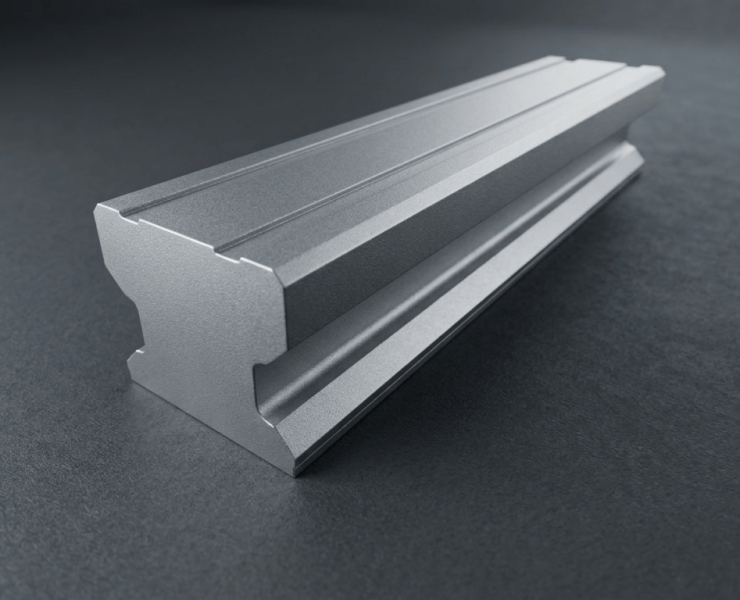
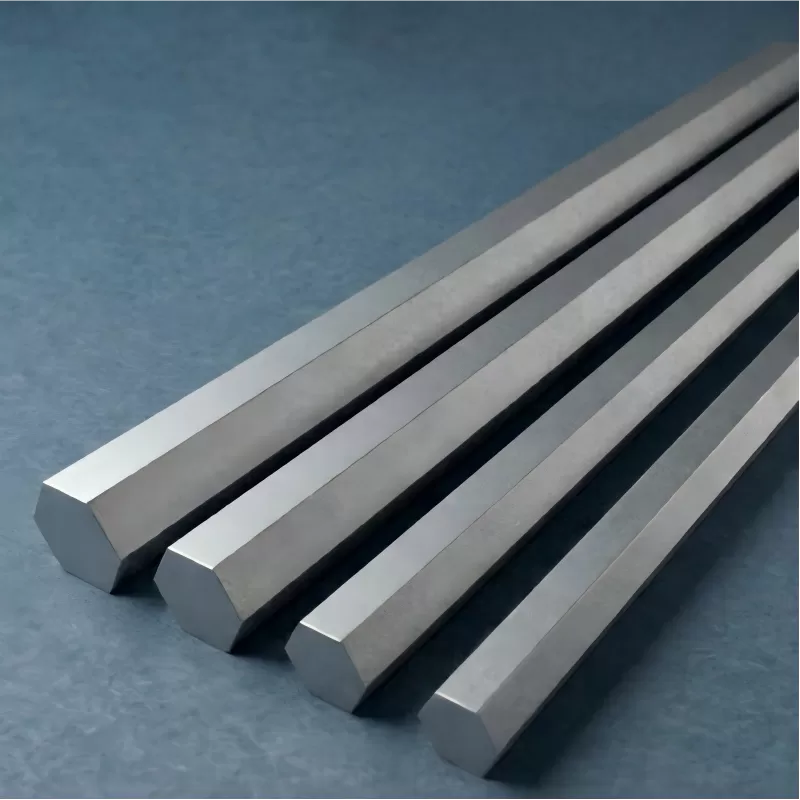
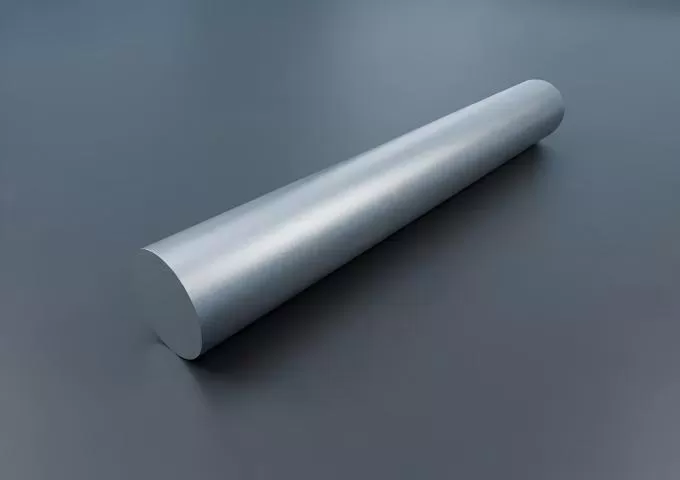
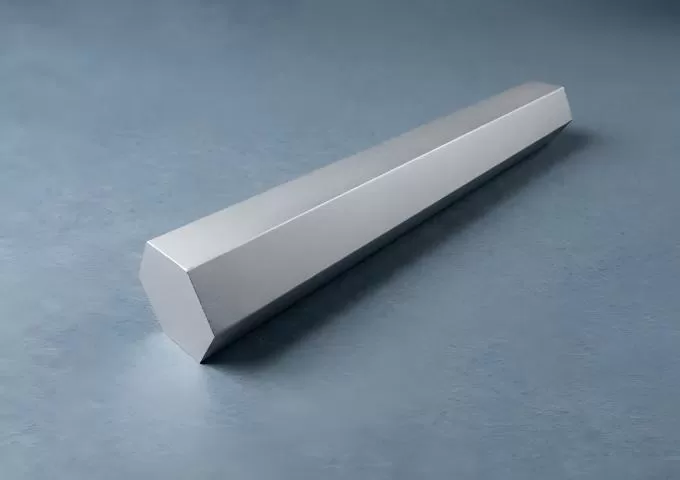
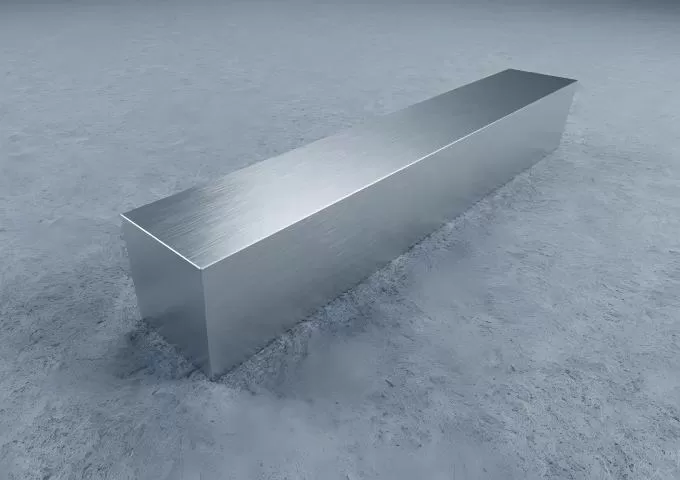
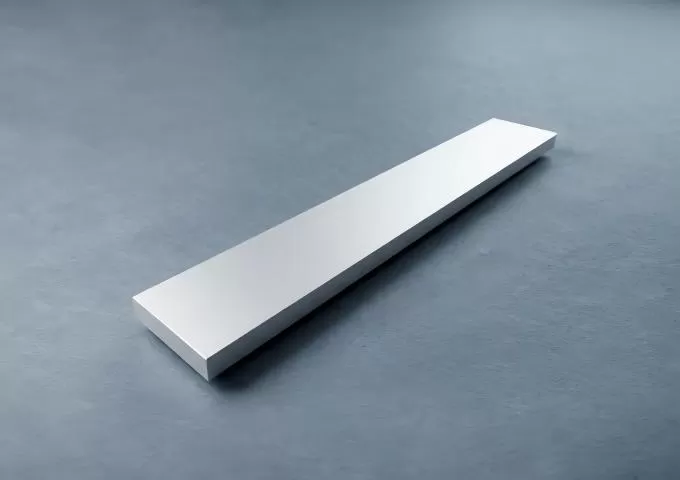
Raw bar stock is supplied in standard or customized profiles such as round, square and hexagonal bars. The buyer is responsible for converting the material into finished components through cutting and machining.
Purchasing raw bars gives manufacturers direct control over production. It may be suitable when the company already has available machining capacity, experienced operators and established inspection procedures.
A machined bar or finished steel component has already undergone one or more secondary processes. Depending on the drawing, the supplier may complete:
Fixed-length cutting
Turning and facing
Drilling and boring
Internal or external threading
Keyway or spline machining
Grinding and polishing
Heat treatment
Corrosion-resistant surface treatment
Dimensional inspection
The difference is therefore not limited to the physical form of the material. It also determines which company is responsible for machining capacity, process control, inspection and production risk.
For parts such as shafts and high-strength screws, purchasing a machined steel product can reduce the number of operations that must be completed after delivery.
The price of raw steel bar represents only one part of the finished component cost. Buyers also need to calculate how much material, labor and machine time are required to produce an acceptable part.
Important cost factors include:
| Cost Factor | Purchasing Raw Bars | Purchasing Machined Parts |
|---|---|---|
| Material | Purchased separately | Included in the component price |
| Cutting | Completed internally | Usually completed by the supplier |
| Machine setup | Required for every production batch | Included in supplier production |
| Tool wear | Paid by the buyer | Included in the quotation |
| Metal waste | Managed internally | Managed by the supplier |
| Inspection | Internal labor and equipment required | Reports may be supplied |
| Rework and scrap | Buyer carries the risk | Controlled through agreed specifications |
| Packaging | Suitable for raw material | Designed to protect finished surfaces |
Material utilization is especially important. A component machined from oversized stock may generate a large amount of chips and offcuts. The buyer pays for the original steel even though only part of it remains in the finished component.
Setup time can also be significant for small and medium batches. Machines must be programmed, tools installed and first pieces measured before regular production begins. If several operations or machines are required, the total steel machining cost may be much higher than expected.
Finished-part quotations should therefore be compared with the complete internal conversion cost, not only with the purchase price of raw material.
Purchasing precision machined steel components may be practical when the supplier can complete repetitive operations more efficiently than the buyer.
This approach is worth evaluating when:
Internal machining capacity is already fully used
The component requires several machining operations
Production volumes are stable or recurring
Tight dimensions must be consistently controlled
Keyways, splines or complex threads are required
The buyer lacks specialized machinery or inspection equipment
Material utilization from standard bars is low
Several subcontractors are currently involved
Shorter internal production lead times are required
Parts need to enter assembly soon after delivery
Outsourcing does not necessarily mean losing control of quality. Drawings, inspection standards, material grades and reporting requirements can be agreed before production.
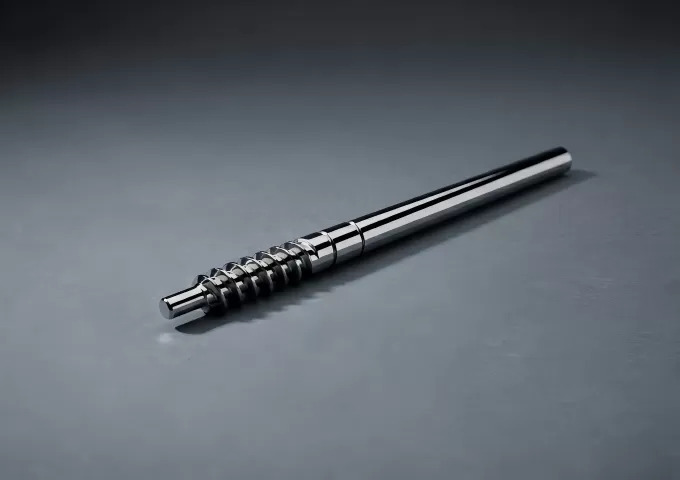
For example, a finished shafting component may include controlled diameters, shoulders, threads or keyways. Receiving it closer to its final assembly condition can allow the buyer to reserve internal equipment for more specialized or higher-value work.
The economic advantage is usually strongest when the same parts are ordered repeatedly. Once tooling, programs and inspection methods have been confirmed, later batches can be produced under a stable process.
Finished machining is not the correct solution for every project. Purchasing raw stock may be more economical when the buyer has suitable equipment and enough available production capacity.
Raw bars may remain the better option when:
The component design is still changing
Only a few prototype parts are required
Machining involves simple cutting or turning
Internal processes contain confidential production knowledge
The same bar size is used for several different components
Production must be closely synchronized with other internal operations
Supplier minimum order quantities exceed actual demand
The company has lower internal machining costs
Design stability is particularly important. Ordering a large quantity of finished components before the drawing is finalized may create unusable inventory when dimensions or assembly requirements change.
During early development, buyers may instead order steel bar cut to size or a small number of sample parts. This provides material for testing while limiting the risk associated with full production.
The decision should be reviewed again when the design and annual demand become more stable.
A detailed request for quotation allows suppliers to evaluate material, machining and inspection requirements accurately. Sending only a component name and quantity rarely provides enough information.
A complete RFQ should include:
Controlled 2D drawing
3D model for complex geometry
Required steel grade and standard
Heat-treatment condition or hardness
Critical dimensions and tolerances
Thread type, size and accuracy
Keyway, spline and hole requirements
Surface roughness
Zinc coating, blackening or other treatment
Batch quantity and annual demand
Material certificate requirements
Dimensional inspection requirements
Packaging and rust-prevention instructions
Sample or first-article approval requirements
The drawing should identify which dimensions are critical to assembly or function. Applying very tight tolerances to every surface may increase manufacturing and inspection costs without improving performance.
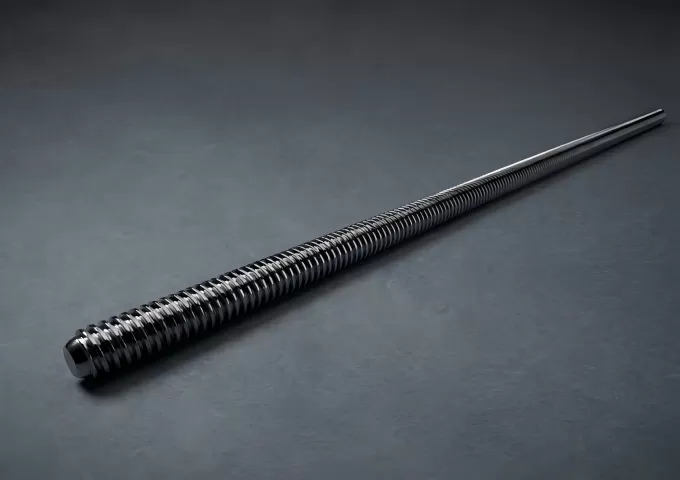
For threaded applications, buyers may also consider a customized high strength screw rather than arranging material purchasing, threading, heat treatment and surface finishing through separate suppliers.
Finished components usually have a higher purchase price because machining and inspection are included. However, they may reduce internal labor, tool wear, waste, machine setup and subcontracting expenses. The comparison should be based on the final usable part.
Tight tolerances should be applied to dimensions that affect fit, rotation, sealing, alignment or load transfer. Non-critical dimensions can usually use wider tolerances to control production costs.
Yes. Processes such as blackening, zinc coating or other corrosion-resistant treatments can be included when technically suitable. Buyers should define the service environment and any areas that must remain uncoated.
Sample or first-article approval is recommended for new drawings, tight tolerances, special threads, keyways and spline features. The sample should be checked dimensionally and tested in the intended assembly.